
Achilles Tendonitis: Managing Pain and Speeding Up Recovery
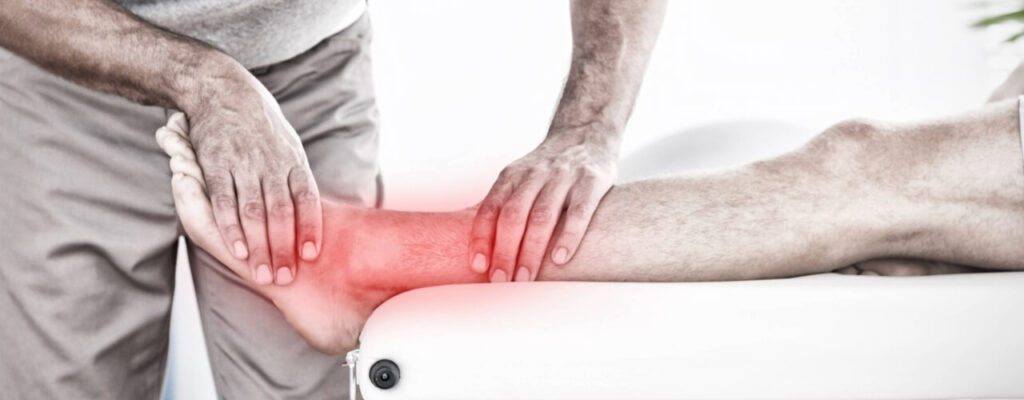
Meet Lauren, an avid runner whose passion for fitness was hindered by Achilles tendonitis. For months, Lauren struggled with nagging pain in her heels, making it difficult to enjoy her daily runs and other physical activities. Determined to find relief, Lauren sought help from our clinic and discovered the power of Achilles tendonitis management through physical therapy. If you’re experiencing similar challenges, there’s hope for you. Take the first step towards relief by calling our team at PhysioWorks in Silverdale, WA, and Kent, WA today to learn more!
Defining Achilles Tendonitis: Exploring Causes and Symptoms
Achilles tendonitis is inflammation of the Achilles tendon, the large tendon that connects the calf muscles to the heel bone. Achilles tendonitis often arises from overuse, improper footwear, or sudden increases in physical activity. This condition typically develops gradually and can cause significant discomfort, especially during physical activity.
Lauren noticed the telltale signs of Achilles tendonitis – pain, stiffness, and swelling in the back of her ankles, especially after her runs. Recognizing these symptoms early on allowed Lauren to seek timely treatment and begin her journey toward recovery.
Symptoms
Pain and Stiffness
- The hallmark symptom of Achilles tendonitis is pain and stiffness along the back of the heel and lower calf. This discomfort may worsen during physical activity. Stiffness may be more prominent after prolonged periods of rest.
Swelling
- Inflammation of the Achilles tendon can lead to swelling around the affected area. Visible swelling or a feeling of “thickness” in the tendon may be present, especially when touching the affected area.
Tenderness to Touch
- The Achilles tendon may be tender to the touch, particularly along the area where it inserts into the heel bone. Pressing on the tendon may elicit pain or discomfort.
Limited Range of Motion
- Individuals with Achilles tendonitis may experience a reduced range of motion in the ankle joint. Individuals may experience difficulty flexing or pointing their feet, most notably when attempting activities like walking or running.
Causes of Achilles Tendonitis
Overuse or Repetitive Stress
- Engaging in activities that place excessive strain on the Achilles tendon, such as running, jumping, or sudden increases in physical activity, can lead to microtrauma and inflammation. Prolonged periods of overuse without adequate rest and recovery can contribute to the development of Achilles tendonitis.
Poor Footwear
- Wearing footwear that lacks proper support or cushioning, such as shoes with worn-out soles or inadequate arch support, can increase the risk of Achilles tendonitis.
Muscle Tightness or Imbalance
- Tightness or weakness in the calf muscles, particularly the gastrocnemius and soleus muscles, can affect the biomechanics of the lower extremity and increase strain on the Achilles tendon. Muscle imbalances or asymmetries can further exacerbate this issue, predisposing individuals to Achilles tendonitis.
Revitalizing Movement: Lauren’s Experience with Physical Therapy for Achilles Tendonitis Recovery
Lauren’s journey with Achilles tendonitis reflects the challenges many individuals face when dealing with this condition. Despite her dedication to staying active and healthy, Lauren began experiencing persistent pain and stiffness in her Achilles tendon. This discomfort made engaging in her favorite activities like running and hiking difficult. Fortunately, she discovered the benefits of physical therapy and found recovery with our team.
Lauren’s Journey with Physical Therapy
Manual Therapy Techniques
- Lauren’s physical therapist incorporated soft tissue mobilization techniques into her treatment plan, gently massaging the tight muscles surrounding her Achilles tendon to alleviate tension and promote healing. Through hands-on manipulation, Lauren felt relief from the stiffness and discomfort she had been experiencing.
Therapeutic Exercise Programs
- Understanding Lauren’s goal of returning to her active lifestyle, her therapist prescribed a tailored exercise program focused on stretching and strengthening the muscles in her lower leg. Lauren diligently performed calf stretches and eccentric heel drops to improve flexibility and build resilience in her Achilles tendon.
Biomechanical Assessment
- Through a comprehensive biomechanical assessment, Lauren’s therapist identified areas of weakness and imbalance contributing to her Achilles tendonitis.
Education and Activity Modification
- Lauren’s therapist provided valuable education on proper footwear and activity modification strategies to prevent further aggravation of her condition. Lauren felt more confident in managing her Achilles tendonitis and preventing future injuries through gradually reintroducing activities and implementing techniques to avoid overuse.
Lauren regained her strength, flexibility, and confidence through personalized care and guidance from her physical therapist. With each session, Lauren’s progress reaffirmed the benefits of physical therapy for enhancing her recovery.
Elevate Your Recovery: Take Charge of Achilles Tendonitis Management
Lauren’s story is a testament to the effectiveness of Achilles tendonitis management through physical therapy. Don’t let Achilles tendonitis hold you back from pursuing your passions. With the support of our experienced team and personalized treatment plans, you can overcome Achilles tendonitis and reclaim your active lifestyle. Take the first step towards relief by calling our team at PhysioWorks in Silverdale, WA, and Kent, WA today!