
Effective Occupational Therapy for Work Injury Rehabilitation
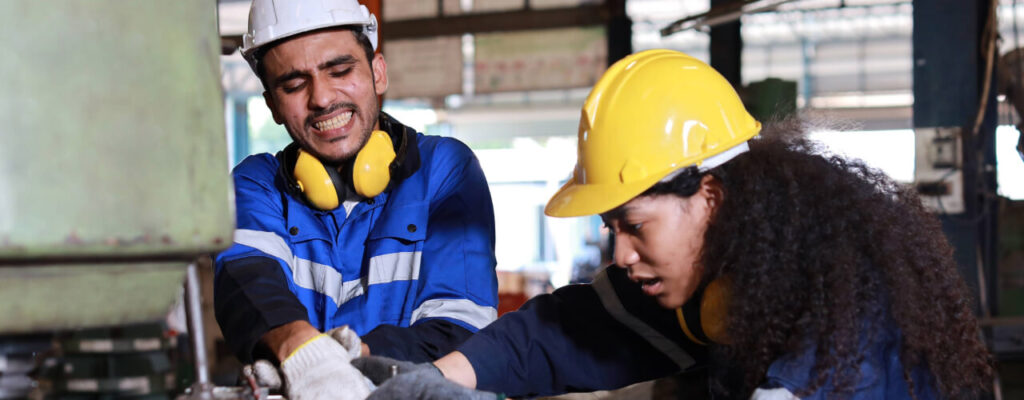
Work-related injuries can make simple tasks difficult and put careers on hold. Many workers assume they just need time to heal, but without proper rehabilitation, injuries can worsen, recur, or cause long-term limitations. Seeking work injury rehabilitation through occupational therapy provides targeted solutions that restore function, prevent reinjury, and improve workplace safety.
How Does Occupational Therapy Support Work Injury Recovery?
Occupational therapists focus on functional rehabilitation, meaning they help patients regain strength, mobility, and confidence while preparing them to return to work safely.
- Customized treatment plans address each patient’s specific job duties and movement patterns.
- Hands-on therapy reduces stiffness, improves joint mobility, and restores coordination.
- Pain management strategies help workers move comfortably without over-reliance on medication.
- Job-specific training teaches safe ways to perform lifting, carrying, reaching, and repetitive tasks.
- Ergonomic assessments identify risk factors and recommend adjustments to workstations and tools.
Occupational therapists reduce strain, accelerate healing, and support long-term injury prevention by combining targeted therapy with workplace modifications.
Common Work Injuries That Occupational Therapy Can Treat
Many workplace injuries stem from repetitive movements, poor posture, or sudden trauma. Occupational therapy effectively addresses:
Repetitive Strain Injuries
- Carpal tunnel syndrome, tendonitis, and nerve compression syndromes caused by repetitive motions.
Overuse Injuries
- Shoulder impingements, rotator cuff issues, and elbow pain from frequent lifting or reaching.
Fractures and Post-Surgical Recovery
- Restoring movement, coordination, and function after bone fractures or workplace-related surgeries.
Lower Back and Joint Pain
- Addressing posture, body mechanics, and safe lifting techniques to prevent chronic pain.
Hand and Wrist Injuries
- Improving grip strength, fine motor skills, and dexterity for workers who rely on detailed hand movements.
When left untreated, these injuries may worsen and impact job performance. Occupational therapy provides a structured work injury rehabilitation plan to rebuild strength and mobility while preventing setbacks.
What Happens During Work Injury Rehabilitation?
Every treatment plan is tailored to the patient’s job responsibilities, pain level, and mobility restrictions. A typical occupational therapy program includes:
Comprehensive Evaluation
- Assessing the injury, movement limitations, and work-specific demands.
Manual Therapy
- Hands-on techniques to improve joint mobility, reduce stiffness, and relieve pain.
Task-Focused Training
- Strengthening specific movement patterns used in daily job tasks.
Workplace Recommendations
- Guidance on improving posture, workstation setup, and tool use to prevent re-injury.
Gradual Return-to-Work Planning
- Ensuring a smooth transition back to job duties without setbacks.
Patients receive a step-by-step approach to healing, ensuring that they regain function safely and return to work feeling strong and confident.
How Long Does Work Injury Rehabilitation Take?
The recovery timeline depends on injury severity, job demands, and individual progress. Some workers see improvements within weeks, while others may require a longer rehabilitation process:
- Mild injuries (such as minor wrist pain or muscle strains) often improve with short-term therapy.
- Moderate injuries (like tendonitis or joint stiffness) may require ongoing therapy and ergonomic modifications.
- Severe injuries (such as fractures or post-surgical recovery) need a comprehensive, long-term rehabilitation plan.
Occupational therapists regularly assess progress and adjust treatment plans to ensure consistent improvement and long-term success.
Can Occupational Therapy Prevent Future Injuries? Absolutely!
Many workplace injuries result from poor ergonomics, muscle imbalances, or improper movement patterns. Occupational therapists help workers avoid reinjury through:
Ergonomic Education
- Adjusting desk height, chair support, and computer positioning to reduce strain.
Task-Specific Training
- Teaching proper lifting, carrying, and repetitive movement techniques.
Adaptive Equipment Recommendations
- Identifying tools that reduce physical stress on joints and muscles.
Fatigue and Stress Management
- Creating strategies to reduce workplace stress that contributes to injury risk.
By focusing on prevention as well as recovery, occupational therapy not only helps workers heal but also safeguards them from future problems.
Why Work Injury Rehabilitation with Occupational Therapy Makes a Difference
Without proper rehabilitation, work injuries can lead to chronic pain, loss of function, and re-injury. Occupational therapy not only restores mobility but also provides essential tools for preventing future injuries.
Through work injury rehabilitation at PhysioWorks, patients receive:
- Personalized care plans designed for their specific work demands.
- Evidence-based treatments that improve mobility, coordination, and endurance.
- Practical strategies for workplace safety, reducing strain on joints and muscles.
- Ongoing education and support to ensure long-term success.
If a work-related injury is interfering with daily tasks, now is the time to seek professional care. Schedule an appointment with PhysioWorks today and take the first step toward a full recovery.