
Common Causes of Hand and Wrist Pain: Therapy Solutions
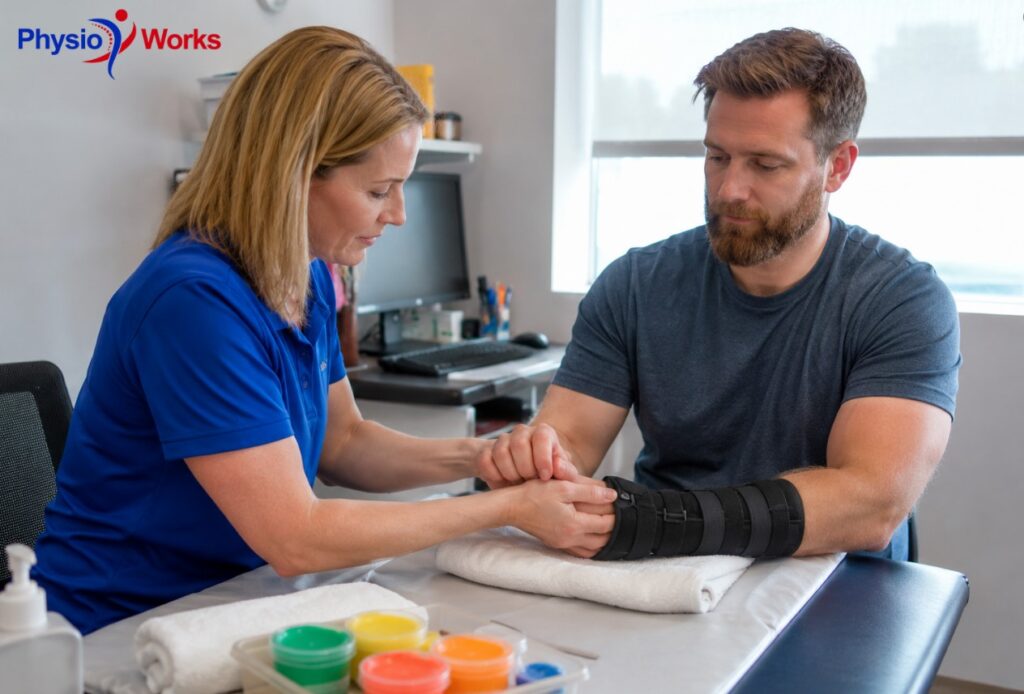
Common Causes of Hand and Wrist Pain: Your Guide to Relief
Think about everything you do with your hands from the moment you wake up. You brush your teeth, pour your morning coffee, type at work, drive your car, and text your family. Our hands and wrists are vital to our independence, hobbies, and overall quality of life.
When hand pain or wrist pain strikes, even the simplest daily tasks can become incredibly frustrating. Because we use our arms constantly, minor irritation can quickly snowball into severe discomfort that impacts your ability to work or enjoy life. Understanding the common causes of hand and wrist pain is the first step toward getting your function back.
What Causes Hand and Wrist Pain?
Your hand and wrist contain a complex network of 27 bones, numerous joints, muscles, tendons, ligaments, and nerves working in perfect harmony.
Because these structures are tightly packed into small spaces, trouble with any single component can cause pain across the entire area:
- Bones and Joints: Provide structure but are vulnerable to fractures, wear-and-tear, or inflammation.
- Tendons and Muscles: Tendons act like cords that pull bones into action when your forearm muscles flex. Irritation here can cause severe pulling or locking pain.
- Ligaments: These strong bands link bone to bone, providing joint stability. Stretching or tearing them leads to acute sprains.
- Nerves: Nerves carry signals from your brain to and from your fingertips. If a nerve gets squeezed or pinched, it causes classic neurological symptoms like numbness and tingling.
Common Causes of Hand and Wrist Pain
If you are experiencing persistent hand, wrist, thumb, or finger pain, it is likely tied to one of the following conditions.
Carpal Tunnel Syndrome
Carpal tunnel syndrome occurs when the median nerve—a major nerve traveling from your arm to your hand—is squeezed or compressed as it passes through the palmar aspect in the palm of your hand to your fingertips.
- Symptoms: This condition typically causes numbness, tingling, burning, and pain primarily in the thumb, index, middle, and half of the ring finger. It often wakes people up at night and can cause localized hand weakness, clumsiness, or dropping objects.
- Risk Factors: Repetitive hand use, prolonged extreme bending of the wrist, pregnancy, heredity, and underlying conditions like diabetes can significantly increase your risk.
- How Hand Therapy Can Help: A specialized therapist can provide custom nighttime splinting to hold your wrist straight, reducing pressure on the nerve. They will teach you specific nerve gliding exercises to help the median nerve move more freely as well as adaptive techniques to reduce nerve compression. The mechanism of injury varies from patient to patient, so a certified hand therapist can provide a comprehensive evaluation to determine the root issue and provide strategies, activity modifications, and exercises to alleviate symptoms.
Trigger Finger
Also known as stenosing tenosynovitis, trigger finger affects the flexor tendons that allow your fingers to bend. Each finger has two flexor tendons that allow the finger to bend. Along with the tendons, there are two types of pulleys called annular and cruciate pulleys. Cruciate pulleys help stabilize the tissue around the tendons, called sheaths. Annular pulleys help anchor tendons down to the bone so when the finger bends, the tendons do not bowstring. When the flexor tendon or tendon sheath becomes inflamed, it can catch on the annular pulley causing popping or snapping noise when the finger bends. In more severe cases, the finger will lock in a bent position when the finger bends.
- Causes: It happens when a size mismatch develops between the tendon and its protective tunnel, called a pulley. The tendon becomes inflamed or develops a small nodule, making it hard to glide smoothly through the pulley.
- Symptoms: You may feel a painful catching, popping, or locking sensation when bending or straightening your finger. In severe cases, the finger can get stuck completely in a bent position.
- Treatment Options: Highly effective conservative treatments include activity modification, targeted finger exercises, and custom splinting to rest the joint and give the inflammation time to settle.
Thumb Arthritis
Thumb arthritis, or basal joint arthritis, targets the joint at the base of your thumb where it meets the wrist.
- Common Signs: Persistent, dull aching or sharp pain at the base of the thumb, swelling, and localized hand weakness during pinching tasks.
- Daily Activities Affected: Opening jars, turning door knobs, twisting keys, pulling zippers, or holding a heavy book.
- Treatment Options: Specialized occupational hand therapy focuses heavily on joint protection strategies, custom or prefabricated splinting to stabilize the joint, and a comprehensive stabilization program to improve force distribution and limit stress on arthritic areas of the thumb.
De Quervain’s Tenosynovitis
This painful condition affects the tendons running along the thumb side of your wrist.
- Symptoms: Sharp pain, swelling, and tenderness directly on the side of the wrist near the base of the thumb. The pain typically intensifies when you form a fist or twist your wrist.
- Common Causes: Repetitive hand or wrist motions, such as heavy lifting, golfing, playing video games, or repeatedly picking up a newborn baby (often called “mommy’s thumb”).
- Rehabilitation Strategies: Hand rehabilitation for De Quervain’s involves using a dedicated splint that rests both the wrist and thumb, applies targeted swelling management techniques, and introduces gentle progressive stretching as the area calms down.
Tendonitis
Tendonitis refers to the acute inflammation of a tendon, usually caused by repetitive strain or sudden overuse.
- Repetitive Strain Injuries: When muscles and tendons perform the same motion continuously without proper rest, microscopic tears form, leading to chronic irritation.
- Common Occupations and Activities: Office workers typing for hours, assembly line workers, cooks, carpenters, painters, and racquet sport athletes (like pickleball or tennis players) are highly susceptible.
Hand and Wrist Arthritis
Arthritis is a general term for joint inflammation, and it frequently targets the complex joints of the hands and wrists.
- Osteoarthritis (OA): This is degenerative “wear-and-tear” arthritis where the protective cartilage between bones slowly wears away over time.
- Rheumatoid Arthritis (RA): This is a chronic autoimmune condition where the body’s immune system mistakenly attacks the lining of your joints.
- Typical Symptoms: Deep joint pain, severe morning hand stiffness, swelling, and visible changes or bony bumps on your finger joints.
Sprains and Strains
These are acute soft tissue injuries that frequently occur during sudden movements or impacts.
- How Injuries Occur: A wrist sprain happens when a ligament is stretched or torn, often from falling onto an outstretched hand during daily activities or sports. A strain refers to a stretch or tear in a muscle or tendon.
- Recovery Expectations: Mild sprains heal relatively quickly with basic rest and compression. However, severe tears require careful tracking, structured movement, and hand rehabilitation to prevent long-term wrist instability
Fractures and Previous Injuries
A broken bone in your hand, finger, or wrist can completely alter how your upper extremity functions.
- Lingering Pain After Injury: Many individuals note a deep, aching pain or persistent stiffness months or even years after a bone has technically healed.
- Importance of Rehabilitation: Bones immobilize to heal, but immobilization causes surrounding tissues to become stiff and weak. Prompt, post-fracture hand therapy is crucial to break up scar tissue, restore your range of motion, and rebuild safety in your everyday activities.
Nerve Compression Conditions
Carpal tunnel is not the only spot where a nerve can get pinched in your upper extremity.
- Cubital Tunnel Syndrome: This happens when the ulnar nerve is squeezed as it passes around the inside of your elbow (your “funny bone”). It leads to numbness, tingling, and a pins-and-needles sensation in your ring and pinky fingers
- Other Nerve Causes: Nerves can become compressed in the forearm or even stem from a pinched nerve root in your neck (cervical radiculopathy), radiating pain down into your hand.
When Should You See a Hand Therapist?
It can be tempting to ignore minor aches and hope they resolve on their own. However, early intervention is vital to protect nerve health and prevent joint changes. You should schedule a professional clinical evaluation if you experience any of the following warning signs:
- Persistent Pain: Pain that lasts for more than two weeks or steadily worsens despite rest.
- Numbness and Tingling: Constant or intermittent tingling that wakes you up at night or stays present during the day.
- Weak Grip Strength: Struggling to open doors, dropping objects frequently, or feeling localized hand weakness.
- Difficulty Performing Daily Activities: Simple tasks like buttoning a shirt, using a keyboard, or holding a cup cause noticeable pain.
- Swelling or Loss of Motion: Visibly swollen fingers or an inability to fully open or close your fist.
How Hand Therapy Can Help
Hand therapy is a specialized branch of occupational therapy that focuses entirely on treating orthopedic upper-extremity issues. It is a highly evidence-based, patient-centered approach designed to restore your functional movement.
When you see a hand specialist, your care plan will include a variety of customized strategies:
- Comprehensive Evaluations: Your therapist will perform specialized clinical tests to look at your range of motion, nerve conduction signs, grip strength, and functional limitations.
- Personalized Treatment Plans: Your program will be tailored specifically to your body, your lifestyle, and your unique return-to-work or return-to-activity goals.
- Therapeutic Exercises: You will perform targeted movements utilizing specialized tools like therapeutic putty, specialized hand grippers, and light dumbbells to build strength and dexterity safely.
- Activity Modification: Learning how to change your body mechanics, alter your workstation setups, or use adaptive equipment to protect irritated joints during daily tasks.
- Splinting: Fabricating a custom splint or orthosis right in the clinic to rest an active injury or stabilize an arthritic joint.
- Pain Management Strategies: Using manual therapy, specialized taping, contrast baths, or compression therapy to manage acute or chronic swelling and discomfort.
Schedule an Evaluation
You do not have to live with persistent hand or wrist pain, and you do not have to give up the activities you love. Our expert therapy team combines deep clinical expertise with compassionate, evidence-based care to build a rehabilitation program tailored to your unique goals.
Whether you are trying to return to work safely, manage chronic arthritis, or fully recover from a recent injury, we are here to support you every step of the way.
Contact one of our clinics to learn more or schedule an evaluation.