
Plantar Fasciitis Relief: Effective Treatments for Foot Pain
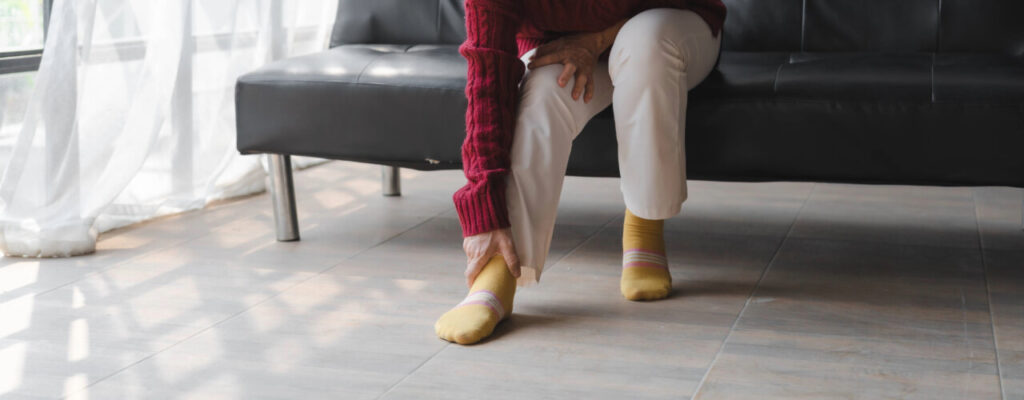
Are you suffering from foot pain? You might be one of the millions of people experiencing plantar fasciitis. Approximately 2 million Americans seek treatment for this condition each year. Plantar fasciitis can be debilitating, affecting your ability to walk and engage in daily activities. Fortunately, physical therapy offers effective treatment plans for plantar fasciitis relief.
Ready to get started with physical therapy for plantar fasciitis? Call our team at PhysioWorks in Silverdale, WA, and Kent, WA today to learn more!
Understanding Plantar Fasciitis: Causes and Symptoms
Plantar fasciitis occurs when the plantar fascia, a thick band of tissue that runs along the bottom of the foot, becomes inflamed. This inflammation leads to pain and discomfort, especially in the heel area.
Symptoms of Plantar Fasciitis
Heel Pain
- The hallmark symptom of plantar fasciitis is pain in the heel, particularly at the bottom or underside. The pain is often described as sharp, stabbing, or burning. The pain is typically most severe with the first few steps in the morning or after periods of rest.
Arch Pain
- Many individuals with plantar fasciitis also experience pain or discomfort along the arch of their foot. This pain may be present throughout the day, worsening with activity and improving with rest.
Foot Stiffness
- Stiffness in the foot, especially in the morning or after prolonged periods of inactivity, is another common symptom. This stiffness often accompanies the initial steps taken after waking up or when getting up from a seated position.
Tenderness
- The affected area may feel tender to the touch, particularly near the heel and along the arch. Pressing on these areas may elicit pain or discomfort.
Pain Aggravated by Activity
- Activities such as walking, running, or standing for long periods can exacerbate the symptoms of plantar fasciitis, leading to increased pain and discomfort.
Causes of Plantar Fasciitis
Overuse or Repetitive Stress
- Plantar fasciitis often develops due to overuse or repetitive stress on the plantar fascia. Activities that involve prolonged standing, walking, running, or jumping can strain the plantar fascia, leading to inflammation and microtears in the tissue.
Biomechanical Factors
- Certain biomechanical factors, such as flat feet (pes planus), high arches (pes cavus), or abnormal foot mechanics, can contribute to the development of plantar fasciitis. These structural abnormalities can alter the distribution of weight and pressure on the foot, placing excessive strain on the plantar fascia.
Improper Footwear
- Ill-fitting footwear can alter foot mechanics and place stress on the plantar fascia. Wearing shoes with inadequate support or cushioning, such as high heels, flip-flops, or worn-out athletic shoes, can increase the risk of developing plantar fasciitis.
Foot Trauma or Injury
- Trauma or injury to the foot, such as a fall, sudden impact, or repetitive microtrauma, can damage the plantar fascia and lead to inflammation and pain.
Understanding these symptoms and causes is crucial for addressing plantar fasciitis effectively. If you’re experiencing any of these symptoms, it’s essential to seek evaluation and treatment from a physical therapist to prevent further complications and promote recovery.
Empowering Recovery: Unlocking Plantar Fasciitis Relief
Physical therapy is effective in relieving plantar fasciitis symptoms and improving foot function. During their physical therapy sessions, patients can expect a comprehensive approach tailored to their needs. Physical therapy offers a comprehensive approach to managing plantar fasciitis, focusing on reducing pain, improving function, and promoting long-term healing.
Treatment Methods
Manual Therapy
- Soft Tissue Mobilization: Physical therapists may use techniques like manipulation or instrument-assisted soft tissue mobilization to address tightness and adhesions in the plantar fascia and surrounding muscles. These techniques help improve tissue flexibility, reduce pain, and promote healing.
- Joint Mobilization: Joint mobilization techniques aim to restore joint mechanics and mobility in the foot and ankle complex. By gently mobilizing stiff or restricted joints, physical therapists can alleviate pain, improve range of motion, and enhance overall foot function.
Stretching and Strengthening Exercises
- Plantar Fascia Stretching: Specific stretching exercises target the plantar fascia and calf muscles to improve flexibility and reduce tension in the affected area. These stretches may include calf, Achilles tendon, and plantar fascia-specific stretches.
- Foot and Ankle Strengthening: Strengthening exercises for foot and ankle muscles help stabilize the arch, improve foot mechanics, and reduce strain on the plantar fascia. Exercises may include toe curls, towel scrunches, resisted ankle dorsiflexion, and intrinsic foot muscle strengthening exercises.
Orthotic Management
- Custom Orthotics: Physical therapists may recommend custom orthotic devices or shoe inserts to provide support, cushioning, and alignment. Orthotics help distribute pressure evenly, correct biomechanical abnormalities, and reduce stress on the plantar fascia during weight-bearing activities.
Education and Activity Modification
- Biomechanical Education: Physical therapists provide education on proper footwear selection, gait mechanics, and activity modification strategies to reduce strain on the plantar fascia and prevent symptoms from worsening.
- Home Exercise Program: Patients receive personalized home exercise programs consisting of stretching, strengthening, and self-care techniques to supplement in-clinic treatments and promote ongoing management of plantar fasciitis.
Stepping Into a Future Free from Pain
If you’re experiencing the symptoms of plantar fasciitis, don’t let foot pain hold you back any longer. Seek relief through physical therapy and take the first step towards a pain-free life. Call our team at PhysioWorks in Silverdale, WA, and Kent, WA today to learn how we can help you find plantar fasciitis relief and get back on your feet.