


Transform Your Recovery With Pre- and Postoperative Physical Therapy
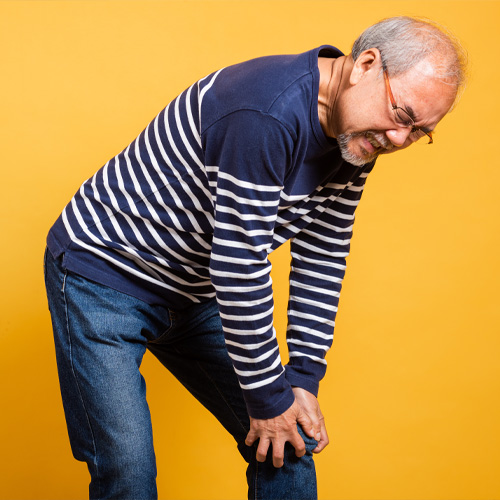
One of our patients, who we’ll call Michael, was a middle-aged teacher with a passion for hiking. He faced an unexpected challenge when a sharp pain in his knee turned into a persistent problem, affecting not only his favorite outdoor activities but also his ability to stand comfortably in front of his classroom.
After several consultations, an MRI revealed a torn meniscus requiring surgery. The prospect of surgery was a big concern to Michael, who had never faced such a significant medical procedure. However, his orthopedic surgeon recommended a comprehensive approach to ensure the best possible outcome: engaging in pre- and postoperative physical therapy.
The Road to Surgery: Preoperative Physical Therapy
Understanding the importance of being in optimal physical condition for the surgery, Michael was referred to PhysioWorks for preoperative care. Our goal was to maximize his range of motion and strengthen his knee as much as possible before the surgery to aid his recovery.
Michael met with one of our physical therapists, who explained how pre-surgical physical therapy could make a significant difference in his recovery process. His therapist tailored a program focusing on building strength, improving his mobility, and getting him as prepared as possible for surgery and the recovery afterward.
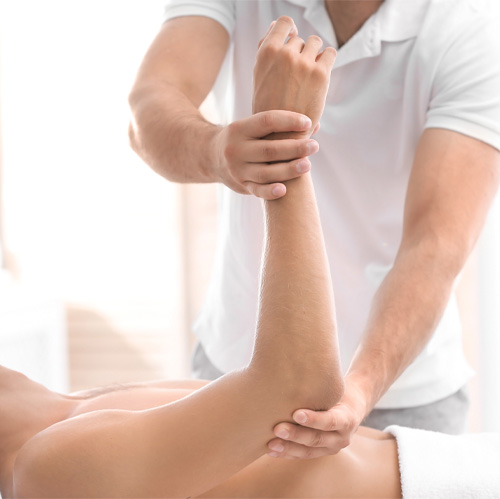
Preoperative physical therapy sessions included a variety of exercises designed to enhance the stability of Michael’s knee alongside manual therapy techniques to free up restrictions, mobilize his knee, and help manage his pain.
His therapist also educated Michael about how to best prepare mentally and physically for post-surgery rehabilitation. This proactive approach helped Michael enter the surgery with a stronger knee and equipped him with the knowledge and confidence needed to face his recovery.
Navigating Recovery: Postoperative Physical Therapy
After the surgery, Michael’s journey to recovery began with postoperative physical therapy. The first few sessions focused on managing pain and reducing swelling. These are crucial steps to ensure a solid foundation for more intensive rehabilitation. His physical therapist guided Michael through the following treatments:
Range of Motion Exercises:
To gradually increase knee range of motion.
Strengthening Exercises:
Targeting the quadriceps, hamstrings, and calf muscles to support knee stability.
Swelling and Pain Management:
Using compression and elevation to reduce swelling and pain.
Manual Therapy:
Soft tissue massage and joint mobilizations improve joint function and decrease pain.
Gait Training:
To improve walking patterns and ensure proper weight distribution and knee alignment.
Balance and Proprioception Training:
Exercises that help restore balance and knee joint position are crucial for preventing re-injury.
Functional Training:
Focused on returning to daily activities and specific sports or hobbies with proper form and without pain.
One of the pivotal aspects of Michael’s postoperative care was the personalized attention he received. His therapist continuously adjusted his plan based on his progress, ensuring each exercise was challenging and achievable. This customization was crucial, as it kept Michael motivated and engaged in his recovery, even on days when progress seemed slow.
Postoperative therapy also included education on proper movement patterns to prevent future injuries and ensure the longevity of his knee’s health. Michael learned how to adjust his daily activities to protect his knee and support its healing.
The Impact of Comprehensive Physical Therapy
The benefits of Michael’s commitment to both pre-and postoperative physical therapy were clear; not only did his recovery timeline exceed expectations, but he also experienced a significant improvement in his knee’s functionality compared to before the surgery.
Michael’s dedication to his therapy and his therapist’s expertise transformed his recovery into a journey of personal growth and resilience. The knowledge he gained about injury prevention and physical wellness became integral to his daily life, influencing his return to hiking and his approach to physical activity in general.
A Return to the Trails
After his rehab ended, Michael stood at the base of his favorite hiking trail, ready to tackle it again. This moment was the culmination of hours of physical therapy, perseverance, and the unwavering support of his therapist. As he ascended the trail, each step was a testament to the importance of comprehensive physical therapy in recovery from surgery.
Michael’s experience underscores the transformative potential of pre- and postoperative physical therapy at PhysioWorks. By engaging in targeted exercises before and after surgery, patients can accelerate their recovery and improve their overall physical function and quality of life!

Exercise of the Month
STRAIGHT LEG RAISE (SLR)
Lie on your back on a mat with both knees comfortably bent. Straighten the knee you wish to exercise. While keeping your knee straight, lift your leg up to the height of your opposite knee (45 degrees from the ground). Hold for 2 seconds. Slowly lower your leg back down.
2 Sets, 10 Reps.

Indulge in layers of creamy sweetness with these Bananas Foster Parfaits, featuring caramelized bananas and a hint of warm spice. This elegant yet easy dessert is sure to impress at any gathering.
Enjoy This Healthy Recipe!
Bananas Foster Parfaits
Ingredients:
- 2 large ripe bananas
- 6 Tbsp dark brown sugar
- 2 Tbsp unsweetened apple juice
- 1 Tbsp unsalted butter
- 1/4 tsp salt
- 2 cups plain 2% reduced-fat Greek yogurt
- 1/4 cup chopped pecans, toasted
Peel bananas and cut each in half lengthwise. Cut each half into 3 pieces. Combine sugar, apple juice, and butter in a nonstick skillet. Cook over medium-low heat for 3 minutes or until mixture begins to bubble. Add bananas to pan; cook for 2 minutes or until bananas begin to soften. Spoon 1/2 cup yogurt into the bottom of each of 4 parfait glasses. Divide banana mixture evenly among glasses. Top each serving with 1 tablespoon chopped and toasted pecans.
October Word Scramble
dancy
nlhealeow
mkpupin
rwcrcesao
ealevs
dierc
Answer Key
candy
halloween
pumpkin
scarecrow
leaves
cider


Kids Heading Back to School? Here’s How to Help Them Avoid Back Pain
Between laptops, tablets, and old-fashioned textbooks, heavy backpacks are a reality for anyone starting school this fall (including the teachers!). Improper backpack usage can contribute to back pain, particularly in the upper back–but a few simple tips will help keep your kids pain-free this school year.
- Find a backpack that fits. Most kids choose backpacks for their coolness factor, not their size, but it’s important your child’s backpack is the right fit for them. A properly fitting (and properly filled) backpack should rest on the hips, not the shoulders.
- Don’t go too heavy. A backpack shouldn’t exceed 10% of your child’s body weight. Bust out the bathroom scale to ensure your child isn’t overloading their pack!
- Encourage good posture. Help your child find their ideal posture by asking them to lift their chest/sternum up toward the sky, which helps their spine settle into proper alignment.
Want more back-to-school backpack tips? Call PhysioWorks to schedule a personalized assessment to help identify any areas of weakness or impairment that might be contributing to backpack-related discomfort–and strategies for resolving them!
Follow Us on Social Media!
Staff Spotlight

Danny Beeman
CEO, MPT, CFCE, PGAP
Karl Lange
PT, CFCE, Clinic Director

Luda Moskvich
Lead PTA, COEE

Alicia Ables
PTA, CES
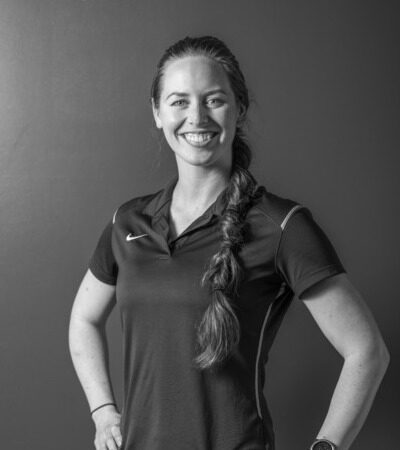


Iryna Hrytsyuk
COTA, Industrial Rehabilitation Supervisor, CI

Natalia Zhuk
COTA/L

Leah Salius
Administrative Supervisor

Michaela Caragiorgio
Billing Supervisor

Sherlyn Dagohoy
Patient Care Coordinator

Jeric Tumaob
Patient Care Coordinator

Michael Kovach
Doctor of Physical Therapy


Christin Hitchcock
Physical Therapist


Cara Thomas
Patient Care Coordinator