


Work Rehabilitation 101: Returning to Your Job Faster With PhysioWorks
Have you ever suffered an on-the-job injury? Then you probably know that getting back to work takes some time. It’s not just a matter of waiting for the injury to heal–you also have to restore your strength and mobility so you can be sure you’re up for the demands of the job.
Work rehabilitation is a structured process that helps you do exactly that. It bridges the gap between immediate recovery after an injury and your return to work, ensuring you’ve regained the necessary physical capabilities for your specific roles.
To help you better understand work rehabilitation, the PhysioWorks team has developed this comprehensive overview of the program to let you know how it works and who qualified. However, if you have any specific questions, don’t hesitate to give us a call!
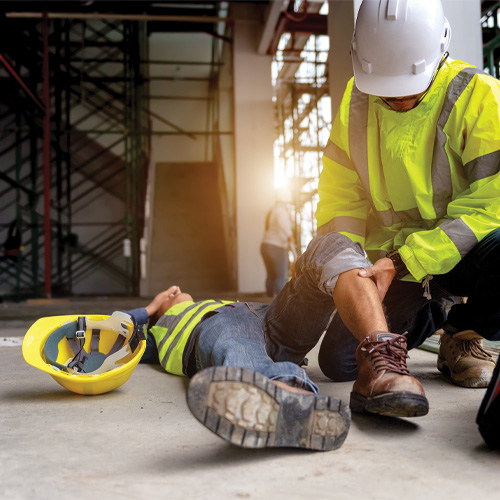
Recovering After a Work Injury: Where Work Rehab Fits In
Rehabilitating after a significant injury occurs in stages:
Acute Care
This stage focuses on stabilizing your injury immediately after it occurs. For example, if you broke a bone, acute care would involve setting the bone in a cast.
Initial Rehabilitation
Once your injury has stabilized, you’ll begin your initial rehabilitation, which involves restoring basic movement and function. Think of this stage as the buildings blocks for a successful work rehabilitation.
Work Rehabilitation
When you’ve successfully recovered your general movement and function, you’re ready to begin preparing for your return to work with tailored exercises, job-specific training, and personalized guidance and education.
Work rehabilitation begins with a comprehensive evaluation of your injury and work-related goals. This step is essential because it helps us design a program that reflects the needs of your job. It also helps us determine which level of intensity will work best for you, as we offer two options at PhysioWorks:
Work Rehabilitation – Conditioning
- This is a less intensive program designed for jobs that don’t have high physical demands (such as forklift operators). It typically lasts 2-4 hours in total.
Work Rehabilitation – Hardening
- This is a more intensive program designed for jobs with very high physical demands (such as firefighters or construction workers). It typically lasts 4-8 hours in total.
Return-to-Work
When you finish your work rehabilitation program, it’s time to head back to work–but you need to do so safely! We’ll provide a detailed schedule that ensures you gradually reintroduce your work duties (possibly with some modified tasks) to protect you from reinjury.
Why You Should Consider Participating in Our Work Rehabilitation Program
Provides a Safe Return to Work
This is probably one of the most significant benefits. Our work rehabilitation programs help ensure you are both physically and mentally prepared to resume your duties. Returning to work before you’re ready can lead to long-term complications and possibly reinjury, so you want to make sure you’re in top shape.
Helps Prevent Injuries
The education component of our work rehabilitation programs will help you avoid future injuries. Depending on your job, we can guide you through ergonomic adjustments, form corrections, and other strategies to keep you safe on the job.
Builds Your Confidence
An on-the-job injury can definitely throw you off your game. Our programs focus on restoring the specific skills needed for your job in a controlled environment. By the time you’re back on the job site, you’ll know you can do what needs doing.
Who Qualifies for Work Rehabilitation?
Anyone interested in participating in our work rehabilitation programs need to meet the following criteria:
- You’re rehabilitating from a musculoskeletal injury that impacts your ability to perform your job duties.
- You’ve had at least two months of recovery and initial rehab after your injury.
- You have a referral from your healthcare provider for our program.
- You have a specific on-the-job goal and can provide us with a detailed job analysis so we can design the right program for your needs.
- You’re able to participate in the program at least 2 hours a day, 3-5 days a week (the actual time requirements will vary depending on your program).
Ready to Get Started?
If you’ve recently suffered a work injury and think you would benefit from our program, call PhysioWorks today! Our friendly staff can answer any questions, and we’re excited to work with you to get you back on the job!
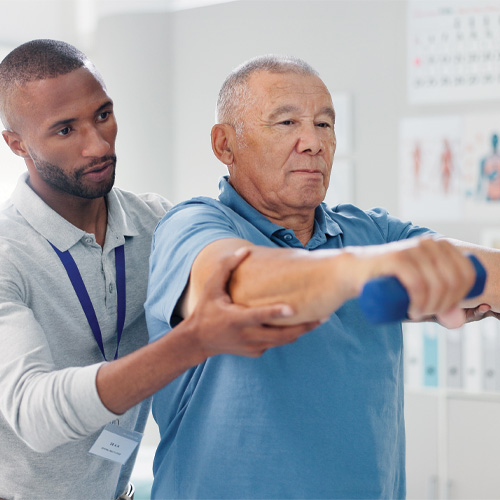
Exercise of the Month
SEATED LEG EXTENSION
Sit up straight in a chair with your feet flat on the floor. Slowly extend one leg out in front of you until it’s straight, squeezing your thigh muscle. Hold briefly, then lower it back down with control. Alternate legs or complete all reps on one side before switching.
3 Sets, 10 Reps (each leg). (Materials needed: chair)


This Crock Pot Irish Stew is a hearty, comforting classic that’s perfect for celebrating St. Patrick’s Day. Slow-cooked and full of rich flavor, it’s an easy, cozy meal to enjoy with family and friends. 🍀
Enjoy This Healthy Recipe!
Best St. Patrick’s Day Crock Pot Irish Stew
Ingredients:
- 2 lbs beef chuck roast, cubed
- 2 large potatoes, peeled and diced
- 2 cups diced carrots
- 1 envelope onion soup mix
- 2 (10¾ oz) cans tomato soup
- 1 soup can water
- 16 oz frozen peas
- salt and pepper, to taste
- parsley, for garnish
- Combine beef, potatoes, carrots, soup mix, tomato soup, can of water, salt and pepper in Crock Pot.
- Cook on LOW 8 hours.
- Add frozen peas and ¼ cup water.
- Cook on LOW 1 additional hour.
- Garnish with parsley.

Exercise & Mental Health
Everyone knows that regular exercise is good for the body. But exercise is also one of the most effective ways to improve your mental health. Regular exercise can have a profoundly positive impact on depression, anxiety, ADHD, and more. It also relieves stress, improves memory, helps you sleep better, and boosts overall mood. And you don’t have to be a fitness fanatic to reap the benefits. Research indicates that modest amounts of exercise can make a difference. No matter your age or fitness level, you can learn to use exercise as a powerful tool to feel better.
Exercise and depression. Maintaining an exercise schedule can prevent you from relapsing. It promotes all kinds of changes in the brain, including neural growth, reduced inflammation, and new activity patterns that promote feelings of calm and well-being. It also releases endorphins, powerful chemicals in your brain that energize your spirits and make you feel good. Exercise can also serve as a distraction, allowing you to find some quiet time to break out of the cycle of negative thoughts that feed depression.
Exercise and anxiety. Anything that gets you moving can help, but you’ll get a bigger benefit if you pay attention instead of zoning out. By adding this mindfulness element—really focusing on your body and how it feels as you exercise—you’ll not only improve your physical condition faster, but you may also be able to interrupt the flow of constant worries running through your head.
Exercise and ADHD. Exercising regularly is one of the easiest and most effective ways to reduce the symptoms of ADHD and improve concentration, motivation, memory, and mood. Physical activity immediately boosts the brain’s dopamine, norepinephrine, and serotonin levels—all of which affect focus and attention.
Exercise and PTSD and trauma. Evidence suggests that by really focusing on your body and how it feels as you exercise, you can actually help your nervous system become “unstuck” and begin to move out of the immobilization stress response that characterizes PTSD or trauma. Instead of thinking about other things, pay close attention to the physical sensations in your joints and muscles, even your insides as your body moves. Exercises that involve cross movement and that engage both arms and legs—such as walking (especially in sand), running, swimming, weight training, or dancing—are some of your best choices.
Outdoor activities like hiking, sailing, mountain biking, rock climbing, whitewater rafting, and skiing (downhill and cross-country) have also been shown to reduce the symptoms of PTSD.
When you’re under the cloud of an emotional disorder and haven’t exercised for a long time, setting yourself extravagant goals like completing a marathon or working out for an hour every morning will only leave you more despondent if you fall short. Better to set yourself achievable goals and build up from there.
Follow Us on Social Media!
Staff Spotlight

Danny Beeman
CEO, MPT, CFCE, PGAP

Karl Lange
PT, CFCE, Clinic Director

Luda Moskvich
Lead PTA, COEE

Alicia Ables
PTA, CES



Iryna Hrytsyuk
COTA, Industrial Rehabilitation Supervisor, CI

Natalia Zhuk
COTA/L

Leah Salius
Administrative Supervisor

Michaela Caragiorgio
Billing Supervisor

Sherlyn Dagohoy
Patient Care Coordinator

Jeric Tumaob
Patient Care Coordinator

Michael Kovach
Doctor of Physical Therapy


Christin Hitchcock
Physical Therapist


Cara Thomas
Patient Care Coordinator