


Is Your Head Spinning? How Physical Therapy Can Help Your Vertigo
Have you ever had a sudden sense that you’re spinning in place — even though you’re standing perfectly still? If so, then you’ve experienced vertigo, an unnerving sensation that often indicates an underlying issue with your vestibular system.
A single incident of vertigo probably isn’t anything to worry about, as the sensation isn’t typically harmful in and of itself. However, multiple vertigo attacks could indicate an underlying issue with your vestibular system, which helps manage your balance and spatial awareness. Frequent vertigo can also increase fall risk, leading to potential injury or hospitalization.
While vertigo can feel hallucinatory and strange, it is more often than not rooted in a physical issue — one that the physical therapists at PhysioWorks can help address. Our team’s understanding of your body’s vestibular and balance systems ensures you can find the relief you need to live a full, healthy life.
Don’t let vertigo sweep you off your feet. Call us today to schedule an initial consultation!

Understanding Vertigo: What It Is, What It Feels Like, and What Causes It
Many people use the terms “vertigo” and “dizziness” interchangeably, but vertigo is a specific type of dizziness. Dizziness can refer to a range of sensations: wooziness, lightheadedness, etc. Vertigo refers to a particular sensation in which you feel like you or the space you’re in is spinning.
Vertigo is closely associated with your vestibular system, which is located in your inner ear (the peripheral vestibular system) and in your cerebellum (the central vestibular system). Most people with vertigo have an impairment in the peripheral vestibular system: the structures and canals of the inner ear.
What sort of impairments? Here are a few of the most common:
- Benign Positional Paroxysmal Vertigo (BPPV): The most common source of vertigo, this occurs when tiny crystals build up in the inner ear canal.
- Meniere’s Disease: This results from fluid buildup in your inner ear. In addition to vertigo, you might experience hearing loss or muffled hearing, tinnitus, and a sense of fullness in the ear.
- Labyrinthitis: This is an inner ear inflammation resulting from an infection.
It’s important to remember that vertigo isn’t really a condition in and of itself — it’s a symptom. If you can’t find an obvious inner ear issue that could be causing your vertigo, you may have central vertigo, vertigo that’s rooted in your cerebellum. The following can cause central vertigo:
- Stroke
- Migraines
- Vascular disease
- Traumatic brain injury
Our physical therapists will work with you and other providers, if needed, to determine the exact root of your vertigo attacks.
Physical Therapy’s Role in Treating Vertigo

Many people are surprised that physical therapy is a standard treatment for vertigo, but it’s true, especially if you have peripheral vertigo. Our therapists will blend several different treatments to help manage your vertigo attacks while working to improve your overall balance and stability:
- Vestibular rehabilitation is a specialized form of physical therapy that consists of exercises specifically designed to address issues with the vestibular system, including relaxation techniques, gaze stabilization exercises, and more.
- Repositioning maneuvers help people with BPPV. We can dislodge the crystals causing your symptoms by positioning your head in certain ways.
- Balance training is an integral part of any vertigo treatment plan. We’ll walk you through exercises designed to challenge — and improve — your overall balance, which helps reduce your fall risk.
- Conditioning programs are another important piece in the vertigo puzzle. Muscular weakness, particularly in the core, can contribute to balance issues; a tailored exercise program will help you build the strength you need to stay on your feet.
Finally, patient education ensures you understand the cause of your vertigo and have the tools you need to manage it. For example, we can help you identify and avoid vertigo triggers and provide strategies to make it through vertigo attacks.
Say Goodbye to Vertigo. Call PhysioWorks Today!
Although it’s not life-threatening, vertigo can profoundly impact your overall quality of life. Many people with frequent vertigo are less likely to go out or participate in their favorite recreational activities for fear of an ill-timed attack. But our physical therapists can help control–and sometimes even resolve — your vertigo, ensuring you live a rich, active life.
Ready to learn more? Call to schedule an appointment today.

Get Moving Again with PhysioWorks!
Don’t let pain dictate your life. Take the first step towards reclaiming your mobility and well-being with our expert support.
Start your journey to a healthier you today.
Exercise of the Month
Romberg Balance
Start by placing one foot with your heel right next to the arch of your other foot. Keep your knees straight but not locked and bring your arms across your chest. Balance like this making sure to keep your abdominals braced and your butt squeezed. Hold for 30 seconds and repeat.


Feel Better by Eating Better!
Balsamic Grilled Steak Salad with Peaches
Ingredients:
- 1 lb. skirt steak, trimmed of fat
- 1/4 c. balsamic vinegar
- 1 clove garlic, minced
- 1 tbsp. brown sugar
- 1 tbsp. vegetable oil
- kosher salt
- Freshly ground black pepper
- 1/4 c. extra-virgin olive oil
- Juice of 1 large lemon
- 6 c. baby arugula
- 2 peaches, thinly sliced
- 1/3 c. crumbled blue cheese or feta
Directions:
- Add steak to a large Ziploc bag or baking dish and toss in balsamic vinegar, garlic and brown sugar. Let marinate 20 minutes at room temperature.
- Heat a grill or grill pan to high. Rub steak with vegetable oil and season generously with salt and pepper.
- Grill until desired doneness, 3 minutes per side for medium rare. Let rest 5 minutes, then slice.
- Meanwhile, make dressing: In a small bowl whisk together olive oil and lemon juice and season with salt and pepper.
- Arrange salad: In a large serving bowl, add arugula, peaches, blue cheese or feta, and steak. Drizzle with dressing and gently toss. Serve immediately.
Staff Spotlight
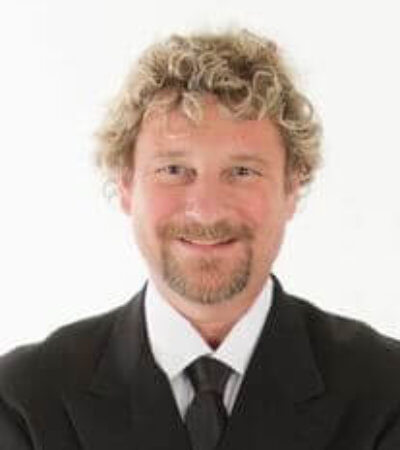
Danny Beeman
CEO, MPT, CFCE, PGAP

Karl Lange
PT, CFCE, Clinic Director

Luda Moskvich
Lead PTA, COEE

Alicia Ables
PTA, CES
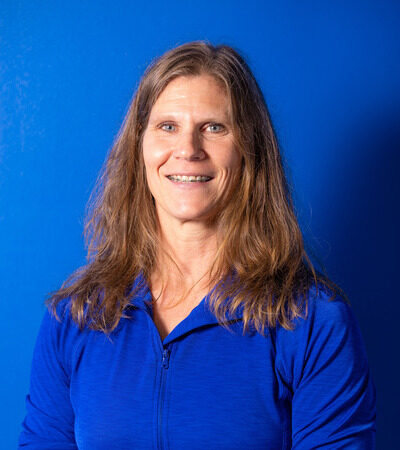



Iryna Hrytsyuk
COTA, Industrial Rehabilitation Supervisor, CI

Natalia Zhuk
COTA/L

Leah Salius
Administrative Supervisor

Michaela Caragiorgio
Billing Supervisor

Sherlyn Dagohoy
Patient Care Coordinator

Jeric Tumaob
Patient Care Coordinator