


Support Healing and Recovery with Red Light Therapy
Many of our patients visit PhysioWorks because they want a more natural approach to recovering from injury and pain–one that can reduce (or even eliminate) the reliance on medications or invasive procedures. We offer a range of services that can help achieve this goal, including one that we want to spotlight this month: red light therapy.
Red light therapy, which we offer with RedVive technology, supports tissue repair, reduces inflammation, and helps people move more easily. Whether you’re dealing with chronic pain or recovering from an injury, it may be a valuable addition to your care plan.
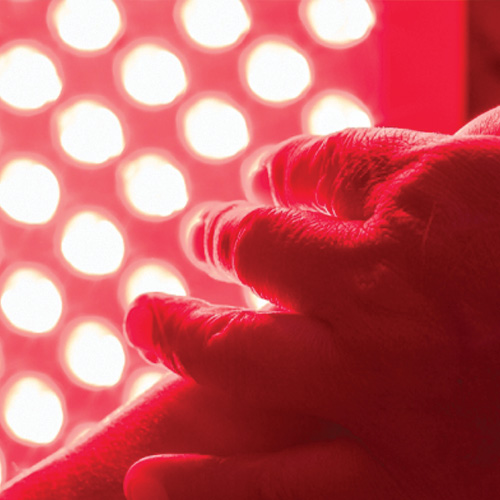
What Exactly Is Red Light Therapy?
Red light therapy uses specific wavelengths of red and near-infrared light to stimulate healing at the cellular level. These wavelengths penetrate the skin and reach muscles, joints, and connective tissues. There, the light energy interacts with your cells’ mitochondria, the power plants that produce energy to fuel cellular repair and regeneration.
This supports several key processes:
Improves Circulation
Light exposure helps relax and expand blood vessels, increasing oxygen and nutrient delivery to injured tissues.
Reduces Inflammation
Red light therapy helps regulate inflammatory markers, which can decrease swelling and irritation.
Accelerates Tissue Repair
The treatment helps activate the cells responsible for healing, such as fibroblasts, which build connective tissue.
Manages Pain
Red light therapy may help dampen the signals that trigger pain, reducing pain sensitivity.
The Evidence-Based Benefits of Red Light Therapy
Red light therapy is a relatively new treatment, and research continues to support its use in rehabilitation settings. It can:
- Help reduce muscle fatigue and improve performance after exercise, making it easier to stay consistent with your rehab exercises.
- Reduce joint pain and improve joint function in patients with osteoarthritis
- Enhance collagen production, which is essential for healing ligaments and tendons
- Reduce the intensity and duration of delayed onset muscle soreness (DOMS), which is the stiffness you feel after intense activity
Red Light Therapy at PhysioWorks: What You Can Expect
Red light therapy sessions are simple and convenient. In most cases, they last only 10-20 minutes and require no downtime.
During your session, one of our physical therapists will position the RedVive device over the skin of the affected area. Once the device is activated, you’ll feel a gentle warmth. The process should not be painful.
We rarely use red light therapy on its own. Instead, it’s part of a broader plan that includes:
- Hands-on manual therapy techniques to improve joint and soft tissue mobility
- Targeted exercise programs to restore strength, mobility, and control
- Movement retraining to correct patterns that may be contributing to pain
- Education and self-management strategies to help you stay active and prevent future issues
What Conditions Benefit from Red Light Therapy?
Joint Pain and Arthritis
Helps reduce stiffness and improve mobility
Muscle Strains and Sprains
Facilitates tissue recovery after injury
Tendon Issues
Supports healing in overused or irritated tendons
Back and Neck Pain
Reduces muscle tension and inflammation
Post-Surgical Recovery
Promotes tissue repair and circulation
Chronic Pain Conditions
Provides a non-drug option for symptom relief
Why Patients Are Choosing Red Light Therapy
Red light therapy offers a non-invasive, drug-free approach to recovery that feels comfortable and fits easily into a physical therapy plan. Sessions are quick, require no recovery time, and can be combined with exercise and hands-on care. Our patients appreciate having an option that helps them stay active and engaged in their rehabilitation.
Is It Right for You?
Can you check any of these boxes?
- You have ongoing pain that limits activity
- You’re recovering from an injury or surgery
- You want to improve healing without added medications
- You’re looking to stay active during rehab
If so, you might benefit from red light therapy. One of our physical therapists can assess your condition and determine if it should be included in your treatment plan.
Schedule an Appointment to Learn More
Healing doesn’t have to feel slow or frustrating. With the right tools and guidance, you can feel confident in your rehabilitation program.
If you’re curious about red light therapy or want to see if it fits your needs, the team at PhysioWorks is here to help. Request an appointment today and take the next step toward feeling and moving better.
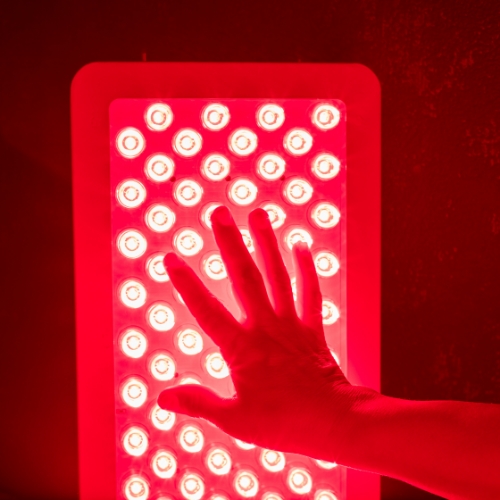
Exercise of the Month
SEATED LEG EXTENSION
Sit up straight in a chair with your feet flat on the floor. Slowly extend one leg out in front of you until it’s straight, squeezing your thigh muscle. Hold briefly, then lower it back down with control. Alternate legs or complete all reps on one side before switching.
3 Sets, 10 Reps (each leg). (Materials needed: chair)


Anti-Inflammatory Quinoa Salad
Nutrition plays a key role in managing inflammation. Try this delicious recipe packed with anti-inflammatory ingredients!
Ingredients
- 1 cup dry quinoa, rinsed
- 2 cups water or vegetable broth
- 1 cup cherry tomatoes, halved
- 1 cucumber, diced
- 1/4 cup red onion, finely chopped
- 1/4 cup fresh parsley, chopped
- 1/4 cup olive oil (rich in Omega-3s )
- 2 tbsp fresh lemon juice
- 1 tsp turmeric (powerful anti-inflammatory)
- Salt and black pepper to taste
Instructions
- Bring water or broth to a boil. Add quinoa, reduce heat, cover, and simmer for 15 minutes or until water is absorbed.
- Remove from heat, let sit covered for 5 minutes. Fluff with a fork and let cool.
- In a large bowl, combine cooled quinoa, tomatoes, cucumber, red onion, and parsley.
- Whisk together olive oil, lemon juice, turmeric, salt, and pepper.
- Pour dressing over the salad, toss well, and chill for 30 minutes before serving.
June Word Scramble
brerireastws
aaointcv
unesecnsr
emrmus
dnelomea
iaordungta
Answer Key
strawberries
vacation
sunscreen
summer
lemonade
graduation

Prepare To Swim In The Water Safely!
Swimming is a great recreational sport that can be enjoyed by people of all ages. But it’s important to know how to be safe while you’re in the water. These important swimming safety tips are what you should be aware of before you head out to the pool or beach.
• Swim in designated areas supervised by lifeguards.
• Always swim with a buddy; do not allow anyone to swim alone.
• Never leave a young child unattended near water and do not trust a child’s life to another child; teach children to always ask permission to go near water.
• If you have a pool, secure it with appropriate barriers. Many children who drown in home pools were out of sight for less than five minutes and in the care of one or both parents at the time.
• Protect your skin. Limit the amount of direct sunlight you receive between 10:00 a.m. and 4:00 p.m. and wear sunscreen with a protection factor of at least 15.
• Drink plenty of water regularly, even if you’re not thirsty. Avoid drinks with alcohol or caffeine in them.
Follow Us on Social Media!
Staff Spotlight

Danny Beeman
CEO, MPT, CFCE, PGAP

Karl Lange
PT, CFCE, Clinic Director

Luda Moskvich
Lead PTA, COEE

Alicia Ables
PTA, CES




Iryna Hrytsyuk
COTA, Industrial Rehabilitation Supervisor, CI

Natalia Zhuk
COTA/L

Leah Salius
Administrative Supervisor

Michaela Caragiorgio
Billing Supervisor

Sherlyn Dagohoy
Patient Care Coordinator

Jeric Tumaob
Patient Care Coordinator

Michael Kovach
Doctor of Physical Therapy


Christin Hitchcock
Physical Therapist


Cara Thomas
Patient Care Coordinator