


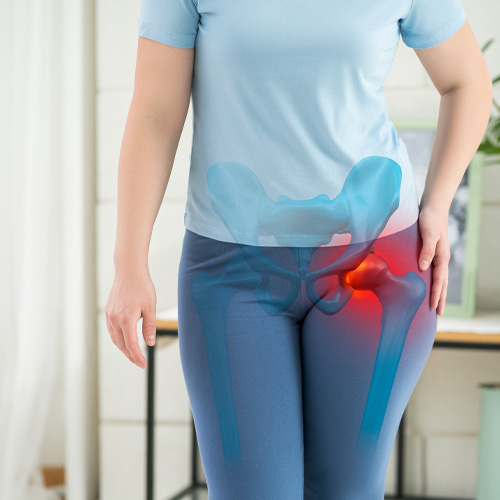
How Physical Therapy Tackles Hip Pain
You want to take care of some chores or go for a walk — but hip pain is keeping you on the couch. If this sounds familiar, know that you don’t have to suffer! At PhysioWorks, our physical therapists will guide you through a simple process to address your hip pain so you can get active again.
This newsletter will take you through that process, from understanding your symptoms to the outcomes you can expect from physical therapy. Still have questions? Call us to schedule an appointment!
Pinpoint Your Symptoms
There are several potential reasons why someone might develop hip pain. To treat your pain effectively, we need to pinpoint what that cause could be.
When you visit us for your initial appointment, one of the first things we’ll do is ask you to share your symptoms. “Hip pain” often causes a lot more than just pain, and being able to describe your pain, mobility limitations, and other concerns helps us get a clearer picture of your condition.
For example, you know that your hip hurts. But when do you experience pain (i.e., during activity)? Does your pain come and go? Where do you experience pain? Is it just in your hip, or do you feel it elsewhere? Is the pain a dull ache? Sharp and shooting?
Make sure to share additional symptoms you might be experiencing, too. Here are some common ones:
Stiffness/limited range of motion in your hip
Weakness throughout the lower extremities
Walking, going up or down stairs, or struggling to stand up
Difficulty performing everyday tasks, such as putting on your shoes — and let us know which ones
Identify a Cause and Develop a Treatment Plan
Thanks to your detailed symptom description — as well as a health history and comprehensive physical exam — your therapist should be able to determine the underlying cause of your hip pain.
If you’re 55 or older, there’s a good chance your hip pain stems from osteoarthritis. This degenerative condition causes cartilage and bone tissue to break down, leading to pain and restricted mobility.
However, hip pain can also stem from an injury. If you’re an athlete or particularly active person, you may have suffered an acute injury, such as a labral tear, in which a ring of cartilage in the hip socket becomes damaged. You may have also sprained your hip — that is, damaged the ligaments that hold the joint together.
However, even if you haven’t had an obvious injury, an injury could still be to blame. Overuse injuries are injuries that develop gradually and, in the hip, generally affect the soft tissue — your muscles, tendons, and ligaments. They usually occur due to repetitive movements or improper biomechanics.
Your treatment plan will vary based on the underlying cause of your pain, but in most cases, we aim to…
- Help manage acute pain with manual therapy, modalities, or gentle stretches.
- Improve mobility and range of motion through targeted stretches and exercises.
- Build strength in the muscles surrounding the hip to support the joint.
- Restore your ability to perform everyday movements, such as going up stairs — and for the athletes, we’ll help restore your ability to perform sport-specific movements.

Understand Your Outcomes
As with treatments, your exact outcomes will vary based on the underlying cause. However, other factors can come into play, too, such as age, health status, and the amount of time you can spend with physical therapy (whether in the clinic or performing home exercise programs).
For example, osteoarthritis has no cure, but you can manage your symptoms with regular physical activity. If you stick with your prescribed exercise program, you can minimize pain, slow the progression of your condition, and delay or even avoid surgery.
If you suffered an injury, you likely will be able to resolve your hip pain, usually within 1-3 months. However, if your injury was severe, full rehabilitation — the point at which you’ve fully restored strength and function — may take longer. Continuing any prescribed exercises is important even if you no longer feel pain.
Start Your Own Journey to Hip Pain Relief Today
No matter the reason for your hip pain, the physical therapists at PhysioWorks will guide you toward lasting relief. Call us today to schedule an appointment to get started!

Get Moving Again with PhysioWorks!
Don’t let pain dictate your life. Take the first step towards reclaiming your mobility and well-being with our expert support.
Start your journey to a healthier you today.
Exercise of the Month
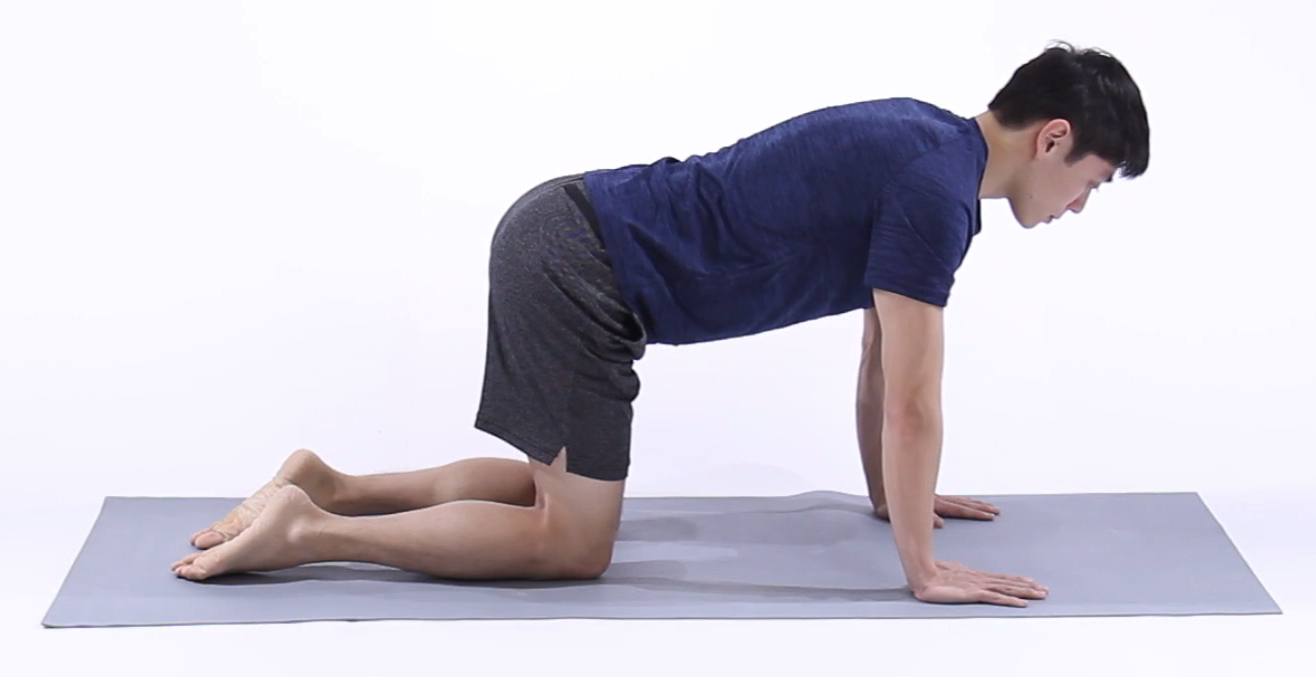
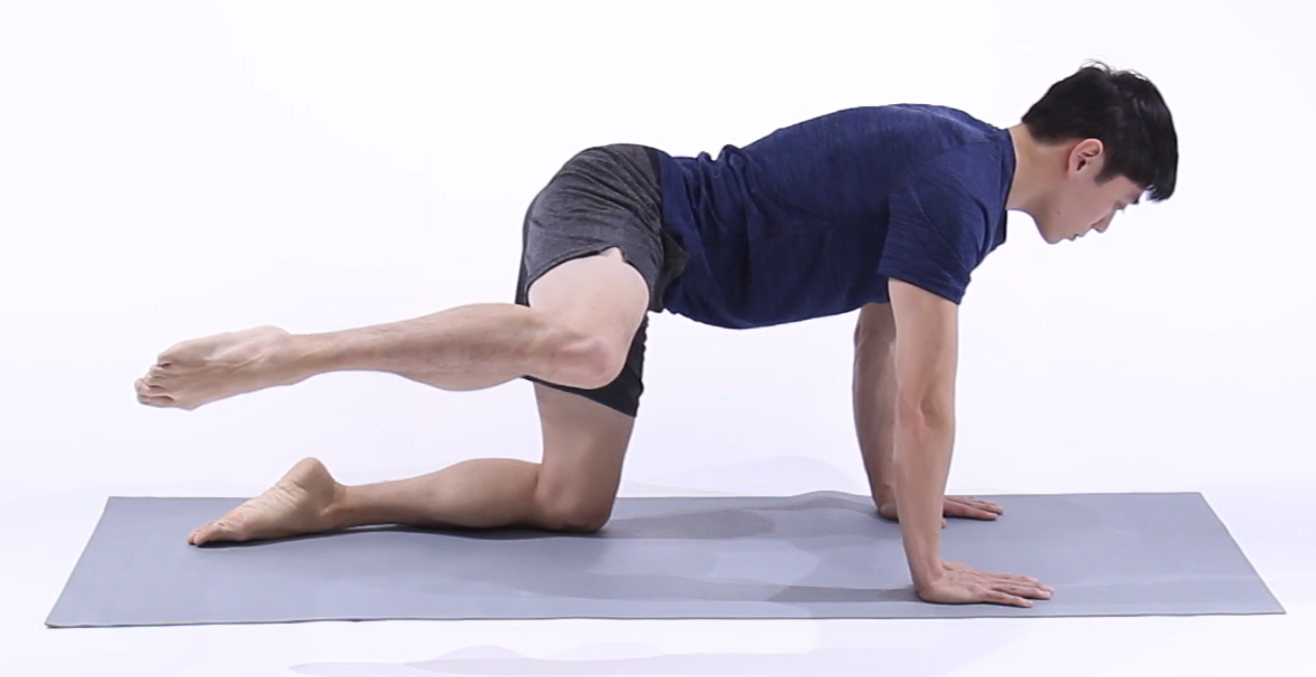
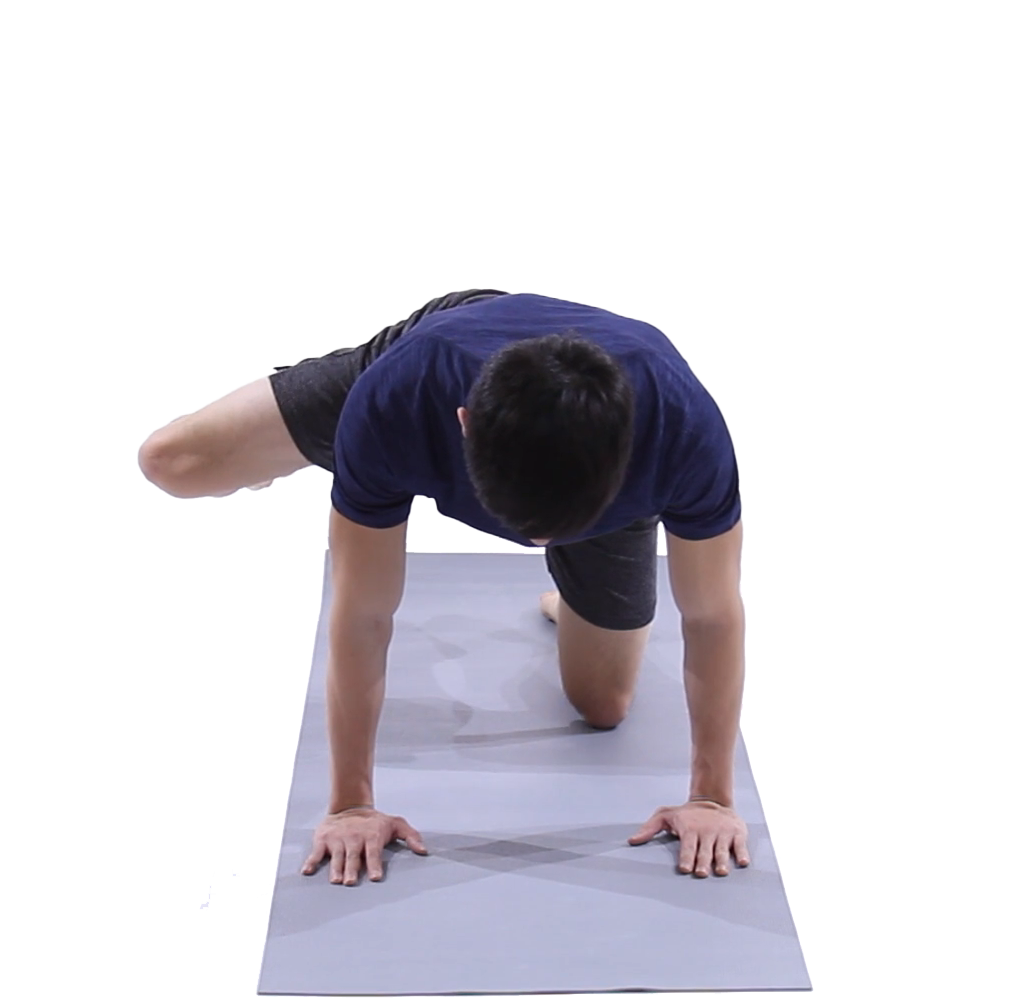
Hip Abduction (Quadruped)
Begin on all fours, with wrists directly under the shoulder and knees directly under the hips. Engage your abdominals and slowly lift one knee out to the side, keeping your knee in line with the hip. Hold as instructed, then bring your knee back down to the floor. Repeat 3 sets, 10 reps each.


Discover This Seasonal Recipe
Easy Valentine’s Day Champagne Cupcakes
Ingredients
- Cooking spray
- 1 (18.25 oz) white cake mix
- 1 1/4 cups Champagne/sparkling white wine at room temperature
- 1/3 cup vegetable oil
- 3 eggs
- 1/2 cup butter, softened
- 4 cups confectioners’ sugar
- 1/4 cup Champagne or other sparkling white wine at room temperature
Directions
Preheat oven to 350 degrees F (175 degrees C). Spray 24 muffin cups with cooking spray. Mix cake mix and 1 1/4 cup Champagne in a large mixing bowl; stir in vegetable oil and eggs. Beat batter with an electric mixer on medium speed for 2 minutes. Pour batter into the prepared muffin cups, filling them 3/4 full. Bake cupcakes in the preheated oven until a toothpick inserted into the middle of a cupcake comes out clean, about 20 minutes. Cool cupcakes in pans for 10 minutes before removing to finish cooling, about 30 more minutes. Mix butter, 1 cup confectioners’ sugar, 1/4 cup Champagne, and vanilla extract in a bowl. Stir in remaining confectioners’ sugar, 1 cup at a time, until frosting is smooth and creamy. Spread on cooled cupcakes.

Indoor Exercises for the Winter Months
It’s wintertime again, and rather than going into hibernation mode, maybe this year you can find some indoor exercises to keep you healthy and fit!
If you have been looking for some exercise suggestions that can help you make it through the winter months, look no further. At PhysioWorks, our physical therapists are movement experts and can guide you through the best types of exercises, depending on your goals.
According to the research, people take fewer steps per day, and less than half of all adults exercise in the winter. The main reason people use for not exercising outdoors is inclement weather, with rain being the biggest obstacle to getting outside and moving.
Although you can do some exercises all year, no matter the weather, if you are looking for some suggestions to try, consider the following:
- Yoga
- Pickleball
- Swimming or water aerobics
- Bootcamp or circuit training program
Try classes at your local fitness center, like Zumba or spinning classes, for more group-style indoor exercises. Try a CrossFit gym or a HITT (High Intensity Interval Training) program with Olympic-style lifting exercises if you want a more intense workout. Or, if you are looking for light (or even intense) competition, sign up for a sports league to play basketball, soccer, or volleyball.
If you are looking for a more traditional workout, there are treadmills and elliptical trainers in most fitness centers to get in and get your workout done quickly. Another great idea is to find a physical therapist to finally resolve your old aches and pains and set you up with a program tailored to your personal goals that considers your injuries and unique physical attributes.


Follow Us on Social Media!
Staff Spotlight

Danny Beeman
CEO, MPT, CFCE, PGAP

Karl Lange
PT, CFCE, Clinic Director

Luda Moskvich
Lead PTA, COEE

Alicia Ables
PTA, CES




Iryna Hrytsyuk
COTA, Industrial Rehabilitation Supervisor, CI

Natalia Zhuk
COTA/L

Leah Salius
Administrative Supervisor

Michaela Caragiorgio
Billing Supervisor

Sherlyn Dagohoy
Patient Care Coordinator

Jeric Tumaob
Patient Care Coordinator