


How To Relieve Dizziness and Vertigo
Lisa (not her real name) was tired of dealing with dizziness. Specifically, she was tired of dealing with vertigo, a spinning sensation that would suddenly hit her at seemingly random times throughout the day. The attacks made her wary of driving, and she worried she might fall and injure herself at home.
But then Lisa learned something interesting: physical therapy can help with vertigo and dizziness. She had some experience with PT, having gone through rehabilitation after a shoulder injury, but it never occurred to her that PT might be the solution to her issues with vertigo.
Eager for relief, Lisa made an appointment at PhysioWorks. We conducted a comprehensive assessment and found that she had BPPV (benign paroxysmal positional vertigo). It develops due to the buildup of tiny crystals in the inner ear, which interfere with the body’s vestibular system.
We helped Lisa understand that her vertigo attacks weren’t as random as she thought. Instead, they occurred due to specific head movements that jostled the crystals. We helped identify those movements and performed some hands-on maneuvers that dislodged the crystals so they could no longer cause symptoms.
Because vertigo (and sometimes even dizziness) has a vaguely hallucinatory quality, people are often surprised to discover that its origins are typically physical. Fortunately, because they’re physical, PT is an excellent choice for finding relief.
To learn more, call to schedule an appointment.
Why Do We Feel Dizziness and Vertigo, Anyway?
First, it’s important to understand that dizziness and vertigo are technically two different things.
Dizziness is an umbrella term that can refer to any feelings of lightheadedness or wooziness. Most of us have experienced dizziness: maybe you stood up too quickly or felt a headrush when you got off a roller coaster. It can have other causes, too, such as medication side effects or low blood sugar.
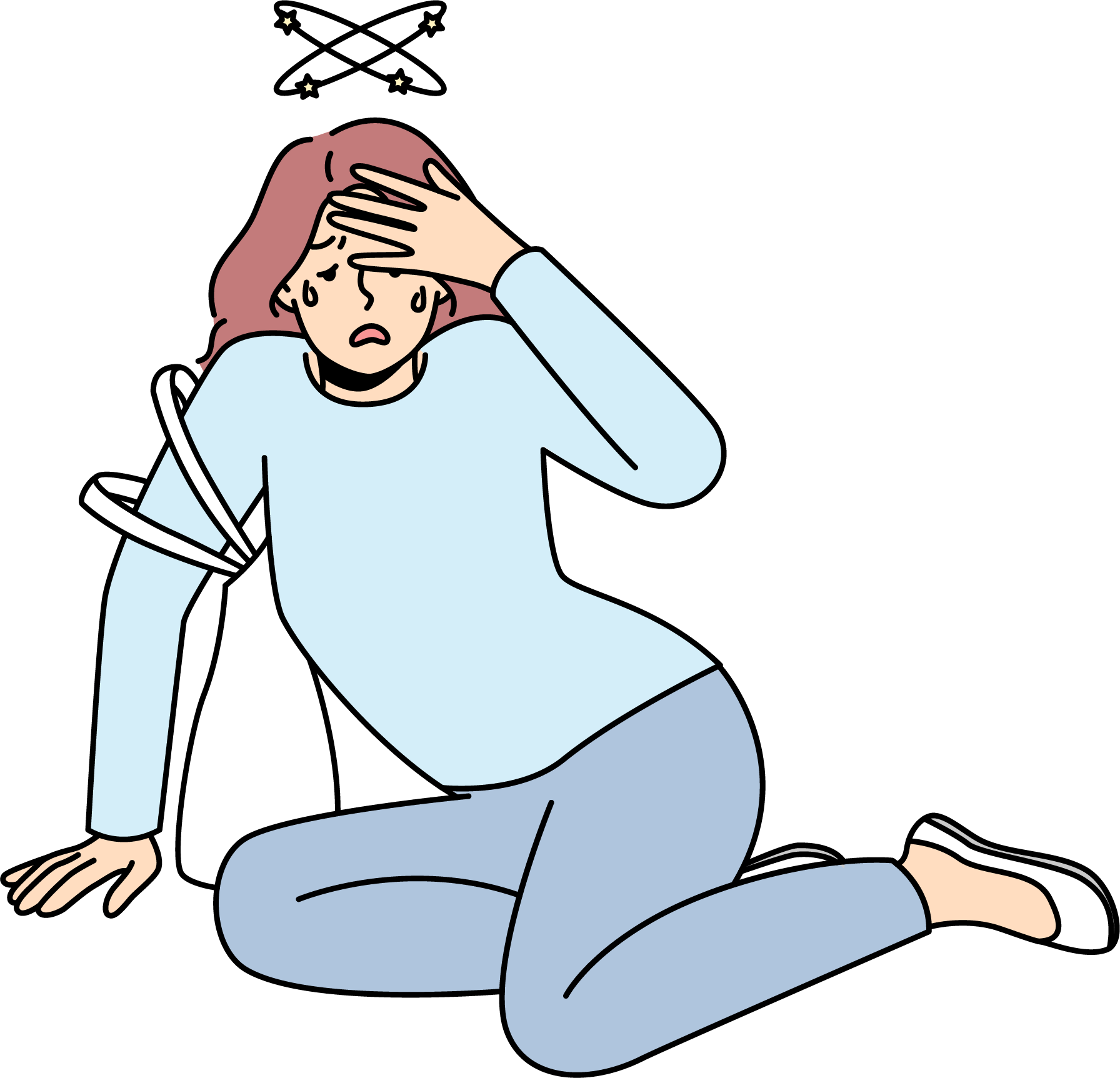
Vertigo is a type of dizziness. It refers to a particular sensation: that you or the room is spinning around even when you’re standing still. It typically stems from issues with your vestibular system, which controls your body’s sense of balance.
The vestibular system is primarily located in your inner ear, although parts are also in your cerebellum. Most people who experience vertigo have inner ear issues, whether BPPV (the most common cause of vertigo) or another underlying condition, such as Meniere’s disease.
In some cases, vertigo might stem from issues in your cerebellum, although those are rare.
The Key Factor: A Personalized Approach
Physical therapy offers different options to help people manage their dizziness and vertigo. We always begin treatment with a comprehensive assessment to help us understand the root cause of your symptoms.
As with Lisa, we’ll also try pinpointing any triggers for dizziness or vertigo. By identifying these triggers, you can work to avoid them. For example, we can show you how to modify activities to reduce the likelihood of vertigo attacks. We’ll also perform specific movements and positions to restore inner ear function, just as we did with Lisa.
Another way we help people with dizziness and vertigo is through dedicated balance training. Vertigo can be unnerving, but it’s not usually dangerous in and of itself. Instead, the danger comes from an increased fall risk. Balance training helps improve your overall balance and stability through progressive balance challenges and strengthening exercises, especially in the core.

A Specialized Approach: Vestibular Rehabilitation
If your vertigo stems from an impairment in your vestibular system, we may suggest you begin a vestibular rehabilitation program. Vestibular rehab is a specialized type of physical therapy that focuses specifically on inner ear dysfunction. While your exact program will be personalized, it generally includes the following:
- Relaxation techniques to help you navigate a vertigo attack
- Habituation exercises that help you become accustomed to the vertigo sensations so that they lessen over time
- Vision exercises to improve your gaze stability, which often plays a role in vertigo symptoms.
We’ll combine these specialized techniques with balance and conditioning exercises to ensure well-rounded treatment!
Can The World Stop Spinning?
Literally, no–but when you successfully manage dizziness and vertigo, it can certainly feel like it! Call PhysioWorks today to find out if you might benefit from physical therapy.
Exercise of the Month
Single Leg Balance (Ankle)
Start by standing up straight with your feet close together. Slowly raise one foot off the ground slightly. Make sure to brace your abdominals. Hold for 30 seconds and repeat twice on both legs.


Enjoy This Heart Healthy Recipe
Spring Vegetable Tart
Ingredients:
- 2 sheets puff pastry
- 1 egg, lightly beaten
- 5 oz vegetable dip
- 6 baby zucchini, halved lengthwise
- 3-4 yellow squash, thinly sliced with a mandoline
- 1 bunch asparagus, thinly sliced lengthwise with a mandoline
- 1 1/2 c goat cheese
- Extra virgin olive oil
- Balsamic vinegar glaze
- Mixed herbs, to serve
Directions:
Preheat oven to 400°F. Line a large baking tray with baking paper. To make tart case, place pastry sheets side by side on the lined tray. Brush egg wash along the long edge of one sheet, then overlap with the other by 1″ to create a large single sheet. Fold and pinch all four sides to make a 1″ border, pushing down to seal. Brush border with egg wash. Using a fork, prick the base of the tart all over. Place in oven and bake for 20 minutes, until golden. Remove from oven and spread base of pastry with dip. Meanwhile, place vegetables in a large bowl. Pour boiling water over vegetables, steep for 1 min to blanch, then drain and pat dry with paper towel. Scatter vegetables over tart and crumble goat cheese on top. Drizzle with oil and vinegar glaze. Sprinkle with mixed herbs.

Have you been putting off spring cleaning? If so, you certainly aren’t alone. With your hectic schedule, it can be easy to overlook this essential activity.
However, there are many reasons why you should include spring cleaning into your routine. Here are 5 good reasons to make time for spring cleaning this season.
1. A clean home is better for your immune system
Mold, dust, and pet dander can accumulate in your home during the colder months when there is less opportunity for air circulation. A deep dive into spring cleaning helps to air out your home, preventing respiratory issues.
2. It’s an easy way to get active
Cleaning can be a real workout! From sweeping the floors to scrubbing tile to moving around furniture, spring cleaning can help you get active. Exercise has numerous benefits, including stress reduction and better heart health.
3. It lessens the possibility of injury
A cluttered home puts you, your children, or an elderly family member at risk of injury. Clearing out high-traffic areas and walkways can help to prevent falls, which can be especially dangerous for older individuals.
4. It improves concentration and mood
Studies show that a clean home positively affects your daily mood and ability to focus/complete tasks. Now that so many of us work from home, this has never been more important!
5. You can donate unused items to others
Part of cleaning is going through old and unused items to see what can find a new home. Not only is donating to charity emotionally rewarding, it helps free up space in your home and can encourage you to become more organized.
With so many benefits to spring cleaning, what are you waiting for? Get started today!

Follow Us on Social Media!
Staff Spotlight

Danny Beeman
CEO, MPT, CFCE, PGAP

Karl Lange
PT, CFCE, Clinic Director

Luda Moskvich
Lead PTA, COEE

Alicia Ables
PTA, CES




Iryna Hrytsyuk
COTA, Industrial Rehabilitation Supervisor, CI

Natalia Zhuk
COTA/L

Leah Salius
Administrative Supervisor

Michaela Caragiorgio
Billing Supervisor

Sherlyn Dagohoy
Patient Care Coordinator

Jeric Tumaob
Patient Care Coordinator