
The Role of Splinting in Hand Therapy: A Complete Guide to Recovery
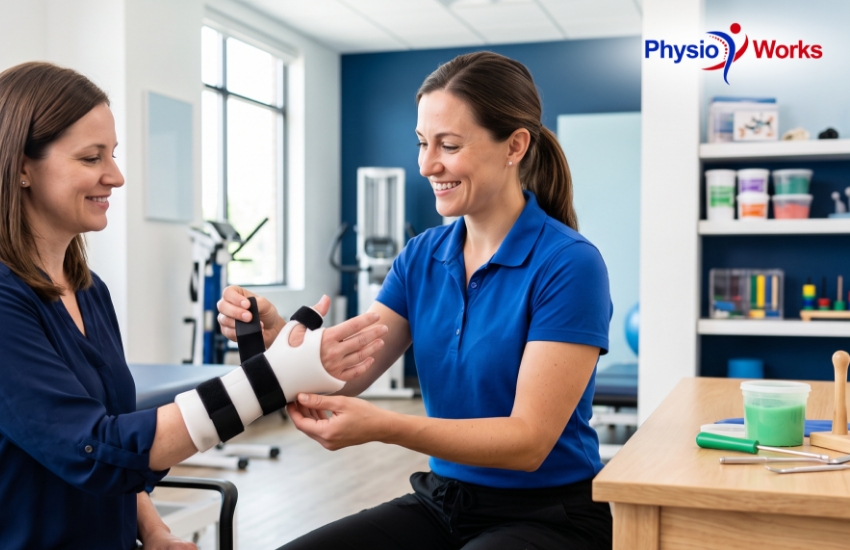
Your hands are your primary tools for exploring and interacting with the world. Every single day, you rely on them to carry groceries, write emails, cook meals, and hold your loved ones. Because you use your hands constantly, an unexpected upper extremity injury or a chronic joint condition can make life feel incredibly disruptive. Simple, everyday routines can suddenly become painful struggles.
When a hand, wrist, or finger problem strikes, protecting the area while it heals is critical. This is where the vital role of splinting in hand therapy comes into play. A properly designed hand support provides the safety and stability your tissues need to recover. By learning about how custom splints function, you can play an active, informed role in your own rehabilitation journey.
What Is Splinting in Hand Therapy?
In the medical world, a splint is often called a hand orthosis. This term refers to any support device that is custom-made or prefabricated to stabilize your joints, protect healing tissues, or improve the functional position of your hand, wrist, or fingers. These specialized devices serve as a structural shield for your injured or inflamed tissues.
Splints are an essential part of comprehensive hand care. They hold your joints in optimal alignments to reduce daily wear-and-tear, bring down pain levels, and prevent structural changes over time. When built correctly, a custom splint respects your natural anatomy while following the established orthotic management guidelines set out by the American Society of Hand Therapists. This baseline ensures your hand remains safe, secure, and ready to heal.
Static vs. Dynamic Splints: What is the Difference?
Hand therapists design and implement different types of splints based on your exact stage of recovery. Depending on your condition, your provider may recommend one of the two main categories of orthoses:
1. Static Splints
static splint is a firm, non-moving support device. Its primary job is to hold an injured joint completely still. By stopping all movement in the affected area, static splints give acute fractures, fresh surgical repairs, and highly irritated tendons a safe environment to heal without extra stress. These devices are highly effective for managing localized swelling and reducing acute pain flare-ups.
2. Dynamic and Static Progressive Splints
Unlike static designs, dynamic and static progressive splints feature moving components. These advanced devices utilize built-in rubber bands, springs, elastic cords, or mechanical hinges to apply a gentle, continuous pull on your tissues. Clinicians use these configurations to slowly stretch tight joints, increase your functional range of motion, and guide the alignment of new scar tissue as it forms.
Common Conditions That Need a Custom Splint
Splints are versatile medical tools used to treat a wide variety of bone, nerve, and joint issues across the upper extremity. Some of the most common diagnoses that require a custom-fabricated splint include:
- Carpal Tunnel Syndrome: Squeezing the median nerve in your wrist causes numbness and hand weakness. Wearing a comfortable night splint keeps your wrist in a straight, neutral position while you sleep, directly reducing pressure on the nerve.
- Trigger Finger: This painful catching or locking occurs when a tendon cannot glide smoothly through its protective pulley. A small finger splint blocks specific movements, resting the irritated tendon so the internal swelling can subside.
- De Quervain’s Tenosynovitis: Repetitive motions can inflame the tendons on the thumb side of your wrist. A specialized thumb spica splint rests both your wrist and thumb base, completely shielding the overtaxed tendons.
- Finger Fractures and Sprains: A broken bone or torn ligament requires strict structural alignment to heal properly. A custom splint holds your finger straight, protecting the bone fragments without locking up your entire hand.
- Advanced Thumb Arthritis: Cartilage damage at the base of your thumb makes pinching and gripping highly painful. A stabilizing splint supports the base joint, letting you lift objects and open jars comfortably.
Why Custom Splints Are Better Than Store-Bought Braces
When your hand starts to hurt, it is tempting to go to a local pharmacy and purchase a cheap, store-bought brace. However, these “one-size-fits-all” options can often introduce new problems to an already injured hand such as: muscle disuse, diminished strength, over-dependence on the device, and lack of medical oversight.. Because store-bought braces utilize generic sizing, they do not match the exact structural contours of your unique arm.
Store-bought braces often feature loose sections that can create raw skin friction, leading to severe irritation or blisters. Even worse, if a generic brace fits too tightly in the wrong spot, it can put improper pressure directly over compressed nerves, worsening your hand numbness and weakness.
Conversely, a custom splint is molded directly to your arm by a trained professional. It applies precise pressure only where support is needed while keeping your healthy joints free to move naturally. Choosing a custom fit ensures your recovery is rooted in safe, evidence-based hand therapy.
How Custom Splint Fabrication Works
The experience of custom splint fabrication is an interactive, highly personalized process. During your appointment, your therapist will select a flat sheet of specialized, low-temperature thermoplastic plastic. This medical-grade material becomes completely soft and pliable when heated in a warm, hot water bath right inside the clinic.
Once the material is warm and flexible, your therapist will gently drape the soft plastic directly onto your hand and arm. As the material cools over a few minutes, it hardens into a rigid, perfectly form-fitting shell. Your therapist will then use medical shears to trim away excess material, apply soft protective padding over any bony spots, and attach secure straps. You leave the visit with a lightweight, comfortable support built exactly for your body.
Frequently Asked Questions
How long do I need to wear a splint in hand therapy?
Your exact wear schedule depends on your specific diagnosis and stage of soft tissue healing. For acute injuries like fractures or tendon repairs, you may need to wear the splint full-time for several weeks. For chronic conditions like carpal tunnel syndrome or arthritis, you might only need to wear it overnight or during heavy tasks. Your therapist will give you a clear, personalized schedule.
Is a custom hand splint better than a store-bought brace?
Yes. Custom splints match the exact shape of your hand, providing targeted stability without creating harmful pressure points over your nerves and bony spots. Store-bought options use generic shapes that often cause raw skin friction, fit poorly, and can inadvertently stall your recovery.
Can you wash a custom hand splint?
Yes. You can wash your thermoplastic splint using lukewarm water and a mild, gentle soap. Always dry the inside of the splint completely with a towel before putting it back on. Never use hot water, and never leave your splint inside a hot car, as extreme heat will cause the plastic material to melt and lose its shape.
Does wearing a hand splint cause muscle weakness?
If a joint is held fully immobile for too long, the surrounding muscles can naturally begin to weaken. To prevent this, your therapist will design a balanced recovery plan. They will introduce gentle range of motion movements and coordination exercises to keep your surrounding tissues strong while your injury heals.
What are static progressive splints used for?
Static progressive splints are specialized medical devices used to treat severe joint stiffness and break up stubborn scar tissue. They apply a gentle, painless, and continuous stretch to tight tissues. As your joint flexibility slowly improves, the built-in hinges or tension straps can be adjusted to advance your movement safely.
Key Takeaways
- Custom Protection: Custom splints match your exact anatomy, providing superior support compared to one-size-fits-all options.
- Tissue Rest: Holding a damaged joint in alignment and stable lets active internal inflammation settle down safely.
- Dynamic Stretching: Advanced progressive splints use gentle tension to safely stretch out rigid joints and break up scar tissue.
- Professional Alignment: Getting your support molded by an expert ensures your nerves and skin stay fully safe from friction.
Schedule an Evaluation to Protect Your Hands
You do not have to struggle through the daily frustration of hand pain, and you do not have to navigate your recovery alone. Our experienced therapy team combines advanced clinical knowledge with a compassionate, patient-first approach to help you rebuild your strength and functional mobility safely.
Whether you need a custom splint to rest an active joint condition, hand strengthening exercises to rebuild your power, or want to explore our specialized L&I Work Rehabilitation program after a workplace injury, we are here to guide you every step of the way.
Take the first step toward a safe, lasting recovery. Feel free to request your appointment or contact us directly at one of our locations below to schedule a personalized evaluation.
About the Authors

Danny Beeman, MPT, CFCE
President/Owner

Karl Lange, PT, CEEAA
Clinical Director/Owner