
How Post-Op Rehab Restores Mobility After Surgery
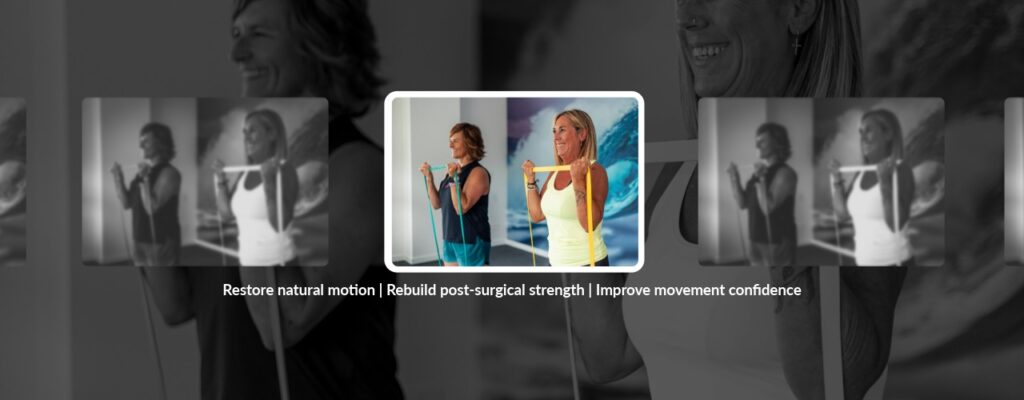
Surgery can repair damaged structures, relieve pain, and correct underlying problems, but it often leaves patients temporarily limited in their mobility. Stiff joints, weakened muscles, and cautious movement patterns can make everyday activities feel challenging. This is where post-op rehab and mobility become essential. Structured physical therapy after surgery helps the body safely regain strength, flexibility, and confidence in movement so patients can return to daily life.
While surgical procedures address the root problem, recovery depends heavily on how the body relearns to move afterward. Rehabilitation at PhysioWorks bridges the gap between healing tissues and restored function.
Why Surgery Often Disrupts Normal Movement
Even successful surgery places stress on the body. During recovery, several factors can limit movement, including the following:
- Muscle weakness from inactivity, especially around the surgical area
- Joint stiffness caused by swelling and scar tissue formation
- Pain-related movement avoidance, which can alter normal biomechanics
- Reduced balance and coordination due to time away from normal activity
- Protective compensation patterns where other muscles overwork
Without guided rehabilitation, these issues can slow recovery or create new problems elsewhere in the body. Physical therapy provides the structure needed to restore movement safely.
How Physical Therapy Helps Improve Mobility After Surgery
Mobility is not just about moving a joint. It reflects how muscles, nerves, and joints coordinate together during real-life activities. Effective rehabilitation focuses on improving these systems simultaneously.
At PhysioWorks, post-op rehab and mobility are addressed through progressive stages of recovery.
Early rehabilitation often prioritizes swelling reduction, protection of the surgical site, and maintaining gentle motion. As healing progresses, therapy shifts toward restoring strength and functional movement patterns such as walking, reaching, squatting, or climbing stairs.
This progression ensures the body rebuilds capacity safely rather than rushing into activities that tissues are not ready to tolerate.
Rebuilding Movement Step by Step
A key goal of physical therapy is restoring natural motion gradually and safely. Our programs are designed to respect surgical healing timelines while progressively challenging the body.
Therapists focus on rebuilding foundational movement through carefully selected interventions such as:
- Gentle range of motion exercises to reduce stiffness
- Muscle activation drills to reawaken weakened muscles
- Gradual strength training to support joints and tissues
- Movement retraining to correct compensations
- Balance and coordination exercises to improve stability
This structured approach allows tissues to adapt and strengthen while minimizing the risk of reinjury. Over time, patients begin to move more freely and confidently as strength and flexibility return.
Strength, Stability, and Confidence Return Together
Another important component of recovery is rebuilding neuromuscular control. After surgery, the brain and muscles may lose their normal communication patterns. Our therapists help retrain these connections through exercises that challenge stability and coordination. This may include:
- Controlled weight shifting
- Targeted muscle activation
- Functional movement training
- Gradual return to activity-specific movements
These strategies support post-op rehab and mobility by teaching the body how to move efficiently again. As stability improves, patients often notice reduced pain, smoother movement, and increased confidence during daily activities.
Why Personalized Rehabilitation Matters
No two surgeries or recoveries are exactly the same. Factors such as age, health history, surgical technique, and lifestyle goals all influence the rehabilitation process.
Individualized therapy plans allow our team to adjust exercises, pacing, and intensity based on each patient’s needs. This personalized approach helps maximize recovery while respecting the body’s natural healing process.
With consistent participation in post-op rehab and mobility, many patients regain the strength and flexibility needed to return to activities that matter most to them.
Moving Forward After Surgery
Recovery does not stop when surgery is complete. The rehabilitation phase is where patients rebuild movement, strength, and confidence. With guided therapy, the body can adapt, relearn healthy movement patterns, and safely return to daily life.
If you are preparing for surgery, professional rehabilitation can play a vital role in your outcome. To learn more about how personalized therapy can support your recovery journey, contact PhysioWorks today.