
How Physical Therapy Supports Post-Surgical Recovery
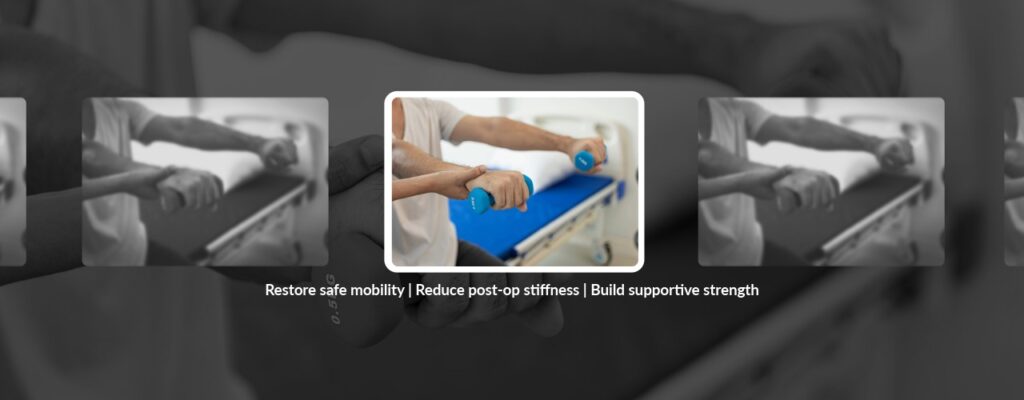
Surgery is often an important step toward healing, but the procedure itself is only part of the journey. What happens after surgery plays a major role in how well the body heals and how quickly a person can return to normal activities. Physical therapy is a key part of successful post-surgical recovery, helping patients regain strength, restore movement, and reduce the risk of long-term complications. Through guided care and personalized strategies, rehabilitation supports the body as it rebuilds after surgery.
Key Ways Physical Therapy Helps Patients Heal After a Surgical Procedure
1. Rebuilding Strength That Surgery Temporarily Reduces
After surgery, muscles around the treated area often become weaker. This can occur due to swelling, pain, or the period of limited activity that typically follows surgery. Physical therapy helps patients rebuild strength in a safe, controlled manner. This process plays a major role in post-surgical recovery because stronger muscles reduce strain on healing tissues and support healthy movement patterns.
Our therapists focus on:
- Gradually reactivating muscles that may have become inactive
- Improving stability around the surgical area
- Helping surrounding muscles support the joint or tissue during healing
2. Restoring Mobility and Everyday Movement
Many surgical procedures temporarily limit the range of motion of a joint or body part. Stiffness can be common, especially after orthopedic surgeries involving the knee, shoulder, hip, or spine.
Physical therapy supports mobility by helping patients:
- Regain a comfortable range of motion
- Reduce stiffness that develops during healing
- Improve coordination and balance
These improvements allow patients to return to everyday tasks such as walking, climbing stairs, reaching overhead, or getting out of a chair with greater confidence.
3. Reducing Pain and Inflammation
Pain after surgery is expected, but unmanaged discomfort can slow recovery and make movement more difficult. Our physical therapists use several non-invasive strategies to help manage pain and swelling, including:
- Manual therapy techniques that improve circulation
- Movement strategies that reduce stress on healing tissues
- Guidance on body positioning and activity pacing
By addressing discomfort early, therapy helps patients move more comfortably and maintain progress during rehabilitation.
4. Preventing Scar Tissue From Limiting Function
Scar tissue naturally forms as part of the healing process after surgery. While this is normal, excessive scar tissue can restrict movement and cause stiffness if not managed properly.
Physical therapy helps the body adapt to healing tissue through:
- Gentle movement that keeps tissues flexible
- Hands-on techniques that improve tissue mobility
- Education about safe activity during recovery
These strategies support smoother movement and reduce the likelihood that scar tissue will interfere with function.
5. Teaching Safer Ways to Move During Healing
After surgery, everyday movements may need to be modified while the body heals. Learning how to move safely can help protect the surgical area and prevent setbacks.
Our physical therapists guide patients through practical strategies such as:
- How to sit, stand, and walk safely during recovery
- How to protect the surgical area during daily tasks
- How to gradually return to work or recreational activities
This education is a critical part of post-surgical recovery, helping patients stay active without placing unnecessary strain on healing tissues.
6. Supporting Confidence Throughout the Recovery Process
Recovery after surgery can feel uncertain for many patients. Pain, limited mobility, or fear of reinjury may make people hesitant to move or return to normal activities. Physical therapy provides a supportive approach that helps patients feel more in control of their recovery while safely increasing activity levels. Strategies include:
- Structured guidance during each stage of healing
- Clear progress goals and milestones
- Ongoing feedback that builds confidence in movement
A Personalized Path Toward Better Healing
At PhysioWorks, our team focuses on individualized care that supports healing while helping patients regain strength, mobility, and confidence. With the right rehabilitation plan, many people can return to their normal routines sooner and with fewer long-term limitations.
If you or a loved one is preparing for surgery, we can help guide you through the rehabilitation process. Contact us today to learn how personalized physical therapy can support your recovery and help you move forward with confidence.