


Back Pain vs. Sciatica: Exploring the Distinction
If you’re dealing with pain in your back and lower extremities, you may have been told you’re suffering from sciatica. But are you really?
People often conflate lower back pain and sciatica, and if you’re in intense pain, you probably don’t care much about what it’s called–you just want relief! But in reality, understanding the type of pain and why you’re experiencing it is crucial in finding a lasting, long-term solution.
Today, we want to share two PhysioWorks patient stories with you. One patient (we’ll call him Frank) suffered from sciatica. Another patient (we’ll call her Laura) had back pain. By looking at these two stories, we hope you can better understand why distinguishing between back pain and sciatica is so important.
Frank’s Story: A True Case of Sciatica
Frank visited us because his pain was unbearable. He was experiencing it throughout the lower half of his body: in his lower back, through his buttocks, and all the way down to his foot. But it wasn’t just pain. Frank also experienced numbness and tingling throughout his leg, which only alarmed him further.
After learning Frank’s symptoms, we suspected sciatica–true sciatica. Why? A couple of reasons:
- The numbness and tingling indicated a nerve issue
- The symptoms follow along the path of the sciatic nerve, from which the condition takes its name
Sciatica isn’t a condition in and of itself but rather a sign that something is impacting the sciatic nerve. After a comprehensive evaluation, including several movement screens, we determined Frank’s sciatica stemmed from a herniated disc in his lower back.
Herniated discs occur when one of the intervertebral discs in the spine weakens and bulges or, in rare cases, ruptures. If it irritates the sciatic nerve (the root of which is located in the lower back), it will cause sciatica. This nerve irritation or compression can eventually start to create traveling numbness and tingling sensations in the lower extremities.
Now that we knew the source of Frank’s pain, we were able to educate him on how to better manage and identify his own symptoms; helping to relieve pressure on his sciatic nerve, restore his leg strength, and general daily function.
Laura’s Story: No Sciatica Detected
Laura visited us after her doctor told her she had developed sciatica. She was dealing with intense lower back pain that severely restricted the mobility in her back, making it difficult for her to walk. Sometimes, the pain spread across her low back, into her buttock or hip, and occasionally up to her mid back, but never into her legs.
For this reason, we knew it was unlikely Laura had sciatica as sciatica affects the sciatic nerve, it typically causes a radiating pain throughout the lower extremities.
However, there was no doubt that Laura was in pain and needed relief! We conducted an in-depth assessment to find out what might be going on. When we took Laura’s health history, we learned that the pain started after she rearranged some heavy furniture in her house. Some additional movement screens confirmed what we suspected: Laura had strained her back muscles.
A muscle strain happens when the muscles or tendons are over stretched or torn, often from lifting something heavy, twisting suddenly, or overuse with improper mechanics. This can cause pain, stiffness, or muscle spasms that make it hard to move comfortably. With rest, gentle stretching, and proper posture, most people recover fully within a few weeks..
Fortunately, a mild to moderate muscle strain can usually resolve with physical therapy. We developed a customized treatment plan to help her manage pain and improve her range of motion. As she improved, we began incorporating strengthening exercises.
Personalized Treatment Plans, No Matter the Cause
Although Laura and Frank had two different injuries with different symptoms, their treatment plans looked fairly similar. That’s because physical activity is one of the best ways to resolve sciatica and lower back pain.
At PhysioWorks, we focus on finding the true cause of your pain so we can create a treatment plan that’s personal, effective, and built around your goals. Our team uses evidence-based techniques such as manual therapy, individualized exercise programs, dry needling, and functional training to reduce pain, restore movement, and help you return confidently to the activities that matter most.
Our mission is to help you live a healthy, happy life that starts with resolving any pain and discomfort that might be holding you back! If you’re dealing with persistent pain in your back, your legs, or anywhere else, call us to schedule an assessment today. Our physical therapists are on the case!
Exercise of the Month
STANDING LUMBAR SELF TRACTION
Stand in front of a sturdy counter or bench about waist height. Place your hands firmly on the surface and slowly bend your knees slightly while leaning your weight into your arms. Allow your hips to drop downward, feeling a gentle stretch and decompression in your lower back. Hold the position briefly, then return to standing.
3 Sets, 30-Second Hold. (Materials needed: counter or bench)

These No-Bake Chocolate Peppermint Balls are a festive, bite-sized delight that’s as easy to make as it is to enjoy. Rich, minty, and perfectly sweet, they’re the ultimate holiday treat without the hassle of baking!
Enjoy This Healthy Recipe!
No-Bake Chocolate Peppermint Balls
Ingredients:
- 10 tbsp cocoa powder
- 6 tbsp maple syrup
- 1/4 cup almond butter (can use SunButter or nut-free spread)
- 1/4 cup unflavored pea protein powder
- ½ tsp peppermint extract
- 1/4 tsp sea salt
- 2-4 tbsp crushed candy canes
- 2-4 tbsp dairy-free chocolate chips (optional)
Put everything except the candy cane and chocolate chips into a bowl and mix well. Slowly add water if needed (You may not need any water if your almond butter is runny). Start with a teaspoon and slowly add until you get a well-mixed batter. If you add too much then the batter will be too soft to roll. Add the candy canes/cacao nibs and chocolate chips and mix again. Allow batter to chill in the fridge while you clean up, then roll into balls.
December Word Scramble
vegnreree
wannsmo
rewtah
ircfapeel
eslhgi
ilodyha
Answer Key
evergreen
snowman
wreath
fireplace
sleigh
holiday
Avoiding Common Winter Injuries
Have you ever developed an injury while participating in a winter activity? If so, you are certainly not alone. Icy and snowy weather can increase your risk of falling and injuring yourself while performing simple everyday activities.
What’s the good news? It’s possible to avoid winter injuries and enjoy the season without experiencing unnecessary pain and stiffness. Keep reading to discover the most common winter injuries and tips on avoiding them.
What are the most common winter injuries?
Winter conditions can make a person more prone to injury. Simple tasks, such as walking to your car in the morning or going for a run, can become significantly more dangerous when there’s ice on the ground.
The most commonly reported wintertime injuries include:
- Slipping on ice and snow
- Muscle strain caused by shoveling snow or scraping ice off the car
- Accidents involving motor vehicles and driving
- Accidents that occur while participating in winter sports and activities (skiing, snowboarding, sledding, etc.)
These injuries can be more severe for older individuals or those struggling with their health.
How Can I Avoid Injury This Winter?
Fortunately, there are many steps you can take to stay safe this winter. Follow these tips to ensure a safe and fun holiday season:
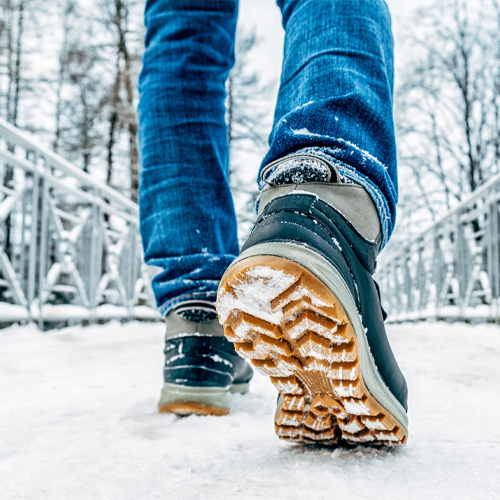
- Wear proper footwear made for icy and snowy conditions when outside.
- Salt driveways, sidewalks, and stairs thoroughly and regularly.
- Cross parking lots with caution and provide extra assistance for children and seniors.
- Stretch before beginning any physical activity.
- Stay hydrated while working out and shoveling snow.
- When participating in winter sports, wear a helmet and other protective equipment.
- Always keep an eye on children who are playing outside in the snow.
Remember to stay safe and exercise caution this winter. And if you do become injured, contact PhysioWorks for relief!
Follow Us on Social Media!
Staff Spotlight

Danny Beeman
CEO, MPT, CFCE, PGAP

Karl Lange
PT, CFCE, Clinic Director

Luda Moskvich
Lead PTA, COEE

Alicia Ables
PTA, CES



Iryna Hrytsyuk
COTA, Industrial Rehabilitation Supervisor, CI

Natalia Zhuk
COTA/L

Leah Salius
Administrative Supervisor

Michaela Caragiorgio
Billing Supervisor

Sherlyn Dagohoy
Patient Care Coordinator

Jeric Tumaob
Patient Care Coordinator

Michael Kovach
Doctor of Physical Therapy


Christin Hitchcock
Physical Therapist


Cara Thomas
Patient Care Coordinator