
Slip and Fall Injury at Work: What You Should Know Right Away
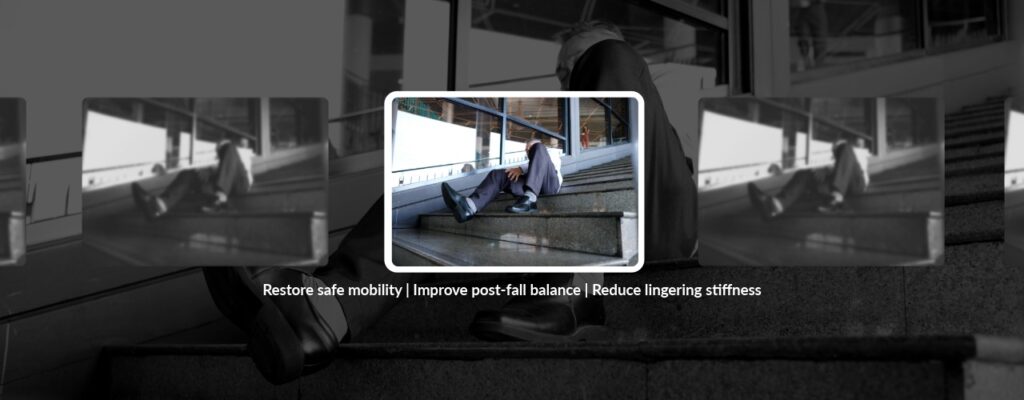
A normal workday can change in seconds. One wet floor or a single loose cord, and suddenly you find yourself sprawled on the floor. Many workers experience a slip and fall injury without warning, and the effects can range from mild soreness to serious mobility problems. Knowing what to do next can protect your health and your job.
Below, the PhysioWorks shares some of the key things every worker should know after a workplace fall. These steps can help you respond quickly, protect your rights, and support your recovery.
Start with Safety and Reporting
Report the Incident
Tell your supervisor or manager as soon as possible, even if you don’t notice any serious symptoms. A written report creates a record of what happened, which helps protect you if symptoms appear later.
Document the Details
Write down where and when the fall occurred. Note any hazards, such as spills, clutter, or poor lighting. If possible, take photos or ask coworkers who witnessed the fall to provide statements. Clear documentation helps clarify how the accident happened.
Next, Address Your Injuries
Schedule an Assessment (Even If You Don’t Have Symptoms)
A slip and fall injury may not show full symptoms immediately. Some injuries worsen hours or days after the injury. Head injuries, back strain, and joint damage can develop slowly. A comprehensive assessment at PhysioWorks helps identify problems early and begins proper treatment.
Pay Attention to Delayed Symptoms
You might feel fine immediately following your injury, but pain, stiffness, dizziness, or swelling may develop later, since inflammation builds gradually. Monitor how your body feels over the next several days. Report any new symptoms to your care team.
Understand How Physical Therapy Supports Recovery
Physical therapy often plays a key role in recovering after a slip and fall injury. The goal is not only to reduce pain, but also to restore safe movement and prevent long-term complications. Here’s what you can expect:
A Comprehensive Movement Evaluation
- We begin by assessing how the injury affects your strength, posture, balance, and overall mobility. This helps identify the specific structures that may have been affected during the fall.
Reduced Pain and Inflammation
- Targeted treatment approaches and carefully progressed activity can help calm irritated tissues. This allows the body to heal while maintaining gentle movement.
Improved Joint Mobility
- Falls often lead to restricted movement in the back, neck, hips, or knees. Hands-on therapy techniques and guided movement strategies can help restore normal joint motion and reduce stiffness.
Restored Strength
- Muscles around injured areas often weaken after trauma or inactivity. Physical therapy gradually rebuilds strength in a controlled manner, protecting healing tissues as function improves.
Improved Balance and Coordination
- A slip and fall injury can disrupt the body’s balance system. Physical therapy helps retrain stability and coordination so walking, standing, and changing direction feel safer and more controlled.
A Return-to-Work Schedule
- Therapists help patients safely return to daily movements required for work and home life, such as lifting, walking, bending, and standing for longer periods.
Tips to Prevent Future Injuries
- Patients also learn better posture, body mechanics, and movement habits that reduce the risk of future falls. This guidance helps restore confidence and long-term mobility.
Follow Your Treatment Plan Closely
Healing takes time and consistency. Attend recommended appointments. Follow activity guidelines from our team. Ignoring pain or returning to full activity too quickly may worsen injuries. A gradual and guided recovery protects your long-term health.
Your Workplace Recovery Starts with the Right Guidance
Workplace falls can feel overwhelming, but the right support makes a significant difference. Fortunately, the team at PhysioWorks is here to help you understand your recovery options and provide supportive care focused on restoring function and mobility. Contact us today to learn how we can support your recovery and help you get back to moving comfortably again.